KUALA LUMPUR, April 18 — Rising geopolitical tensions linked to the Strait of Hormuz are putting renewed attention...
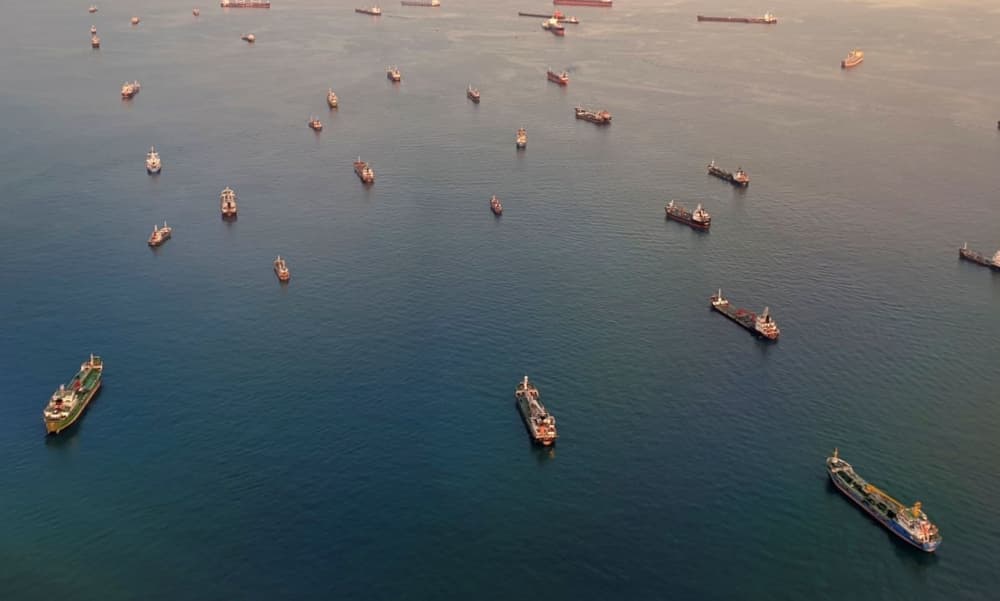
KUALA LUMPUR, April 18 — Rising geopolitical tensions linked to the Strait of Hormuz are putting renewed attention on the Straits of Malacca, one of the world’s most critical maritime trade routes.The narrow waterway that passes Malaysia, Indonesia, and Singapore connects the Indian and Pacific Oceans and carries a significant share of global trade, including energy supplies bound for major Asian economies.“Though I wouldn’t point to any clear and present danger now existing for the Malacca Strait, anyone worried about the weaponisation of maritime chokepoints should be thinking ahead of how to manage its geopolitical vulnerabilities,” Yap Chuin Wei, program director of international trade research at the Hinrich Foundation in Singapore, told Bloomberg in an article published yesterday.“What seems unthinkable today should not be taken as an immutable given,” he added.Citing unnamed analysts, Bloomberg reported that the concern is less about immediate disruption and more about long-term risks if major powers begin treating key shipping lanes as strategic leverage points.Smaller than Hormuz but far more heavily trafficked, the Straits of Malacca serves as a key artery for global supply chains.It handles a major share of East Asia’s energy imports, including shipments to China, Japan and South Korea, making it one of the most economically important waterways in the world.The strait is also routinely monitored by international naval forces, including the US reflecting its strategic importance in global security planning.China has previously described its reliance on the passage as a strategic vulnerability, often referred to as the “Malacca Dilemma”, according to Bloomberg. Ships navigate through the Strait of Malacca, one of the world’s busiest maritime trade routes linking the Indian and Pacific Oceans and carrying a significant share of global energy and cargo flows. — Shipfinder satellite image on Google Map Regional dynamics are further complicated by competing territorial claims and increasing military activity by global powers in the Indo-Pacific region.Singapore has maintained that freedom of navigation through the strait is protected under international law and should not be subject to negotiation or toll arrangements.Malaysia, meanwhile, has taken a more engagement-focused approach in regional diplomacy, including recent discussions linked to maritime security concerns in the broader region.Indonesia has also emphasised its strategic role in safeguarding the strait, highlighting its importance to both global trade and national security.While there is no immediate threat to shipping through the Malacca Strait, experts say growing global instability is prompting renewed scrutiny of how vulnerable key maritime corridors could become in future crises.