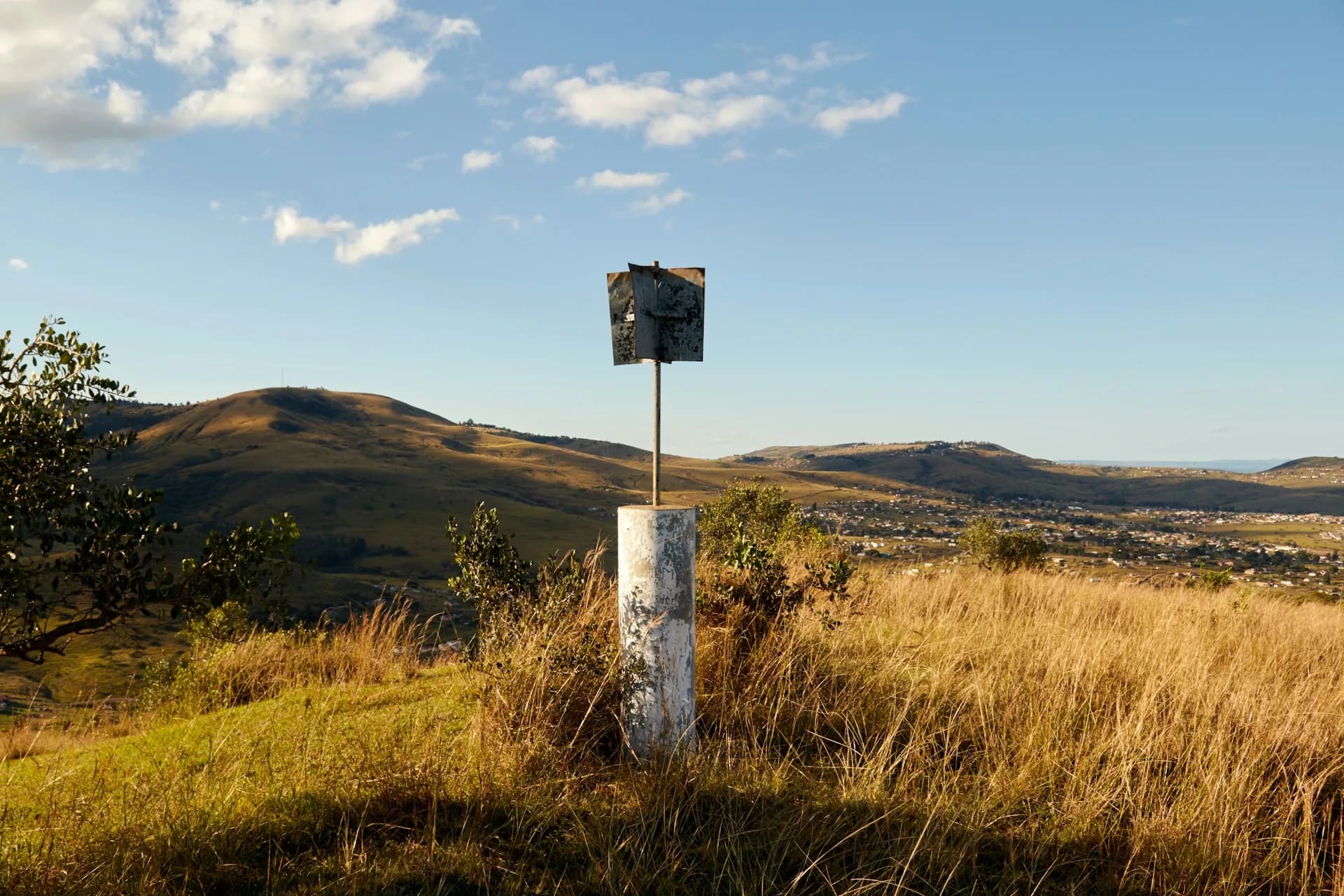
KwaZulu-Natal is often framed through its coastline and game reserves, but its cultural and historical landscape is just as compelling. Ulundi/Sphamandla Luthuli/Unsplash From former Zulu capitals to battlefields that shaped colonial history, the province offers travellers a layered journey into South Africa’s past. These five destinations provide accessible and meaningful ways to explore KwaZulu-Natal’s heritage while experiencing its natural beauty.
Ulundi Once the capital of the Zulu Kingdom, Ulundi carries deep historical significance. It was here that the final battle of the Anglo-Zulu War took place in 1879, marking a turning point in the region’s history. Today, the town serves as a gateway to understanding Zulu leadership, governance and resilience.
Nearby, the Ondini Cultural Reserve provides further context with reconstructed Zulu homesteads and interpretive exhibits. Visitors can walk through traditional layouts, observe cultural demonstrations and gain a clearer sense of how daily life functioned during the height of the Zulu Kingdom. Ulundi is not a polished tourist hub, but its authenticity is precisely what makes it valuable for travellers seeking a grounded historical perspective.
Why to go + Best time to go: Visit for insight into Zulu political history; best explored in the cooler, dry months from May to September. Isandlwana Battlefield Site The rolling hills of Isandlwana appear quiet at first glance, yet they hold one of the most dramatic military stories in South African history. In January 1879, Zulu forces defeated a British column here in a battle that challenged assumptions about imperial dominance.
Walking the battlefield with a knowledgeable guide brings the site to life. White cairns scattered across the landscape mark where soldiers fell, while the shape of the mountain itself provides strategic context. The scale of the Zulu army’s coordination and tactical precision becomes clearer as you move through the terrain.
This is not just a site of conflict, but a place that invites reflection on power, resistance and memory. Why to go + Best time to go: Visit for one of the most significant Zulu victories against colonial forces; best visited in winter for comfortable walking conditions. Rorke’s Drift A short drive from Isandlwana, Rorke’s Drift tells a different story from the same campaign.
Here, a small British garrison successfully defended their position against a much larger Zulu force. The events at Rorke’s Drift gained international attention and became one of the most well-known episodes of the war. The site is compact but layered.
A small museum outlines the timeline of the battle, while preserved structures such as the hospital and storehouse help visitors visualise the intensity of the encounter. Experiencing both Isandlwana and Rorke’s Drift in one trip provides a more balanced understanding of the conflict and its complexities. Why to go + Best time to go: Visit to understand a contrasting chapter of the Anglo-Zulu War; accessible year round, though winter offers milder weather.
Dlinza Forest In the town of Eshowe, Dlinza Forest offers a quieter but equally meaningful heritage experience. This indigenous forest is one of the few remaining coastal scarp forests in the region and has long been tied to Zulu cultural narratives and traditional knowledge systems. The elevated boardwalk allows visitors to move through the forest canopy, offering a different perspective on the ecosystem.
Interpretive signage highlights both ecological and cultural aspects, from medicinal plants to oral histories associated with the forest. Dlinza is particularly rewarding for birdwatchers, but even casual visitors will appreciate the sense of calm and continuity that the forest provides. Why to go + Best time to go: Visit for a blend of natural and cultural heritage; best in spring and summer for lush scenery and birdlife.
KwaZulu Cultural Museum Located near Ulundi, the KwaZulu Cultural Museum complements visits to the surrounding historical sites. The museum presents a curated overview of Zulu culture, including social structures, craftsmanship and ceremonial practices. Exhibits range from traditional attire and beadwork to historical artefacts that trace the evolution of the Zulu Kingdom.
The museum’s strength lies in its accessibility. It provides clear context for visitors who may be unfamiliar with the region’s history, making it an ideal starting point before exploring nearby landmarks. Why to go + Best time to go: Visit for a focused introduction to Zulu heritage; suitable year round.
With relatively short travel distances between Ulundi, Isandlwana Battlefield Site and Rorke’s Drift, it is possible to combine these stops into a well-paced heritage itinerary. Adding a visit to Dlinza Forest brings a natural dimension to the experience. Follow us on social media for more travel news, inspiration, and guides.
You can also tag us to be featured. TikTok | Instagram | Facebook | Twitter AL