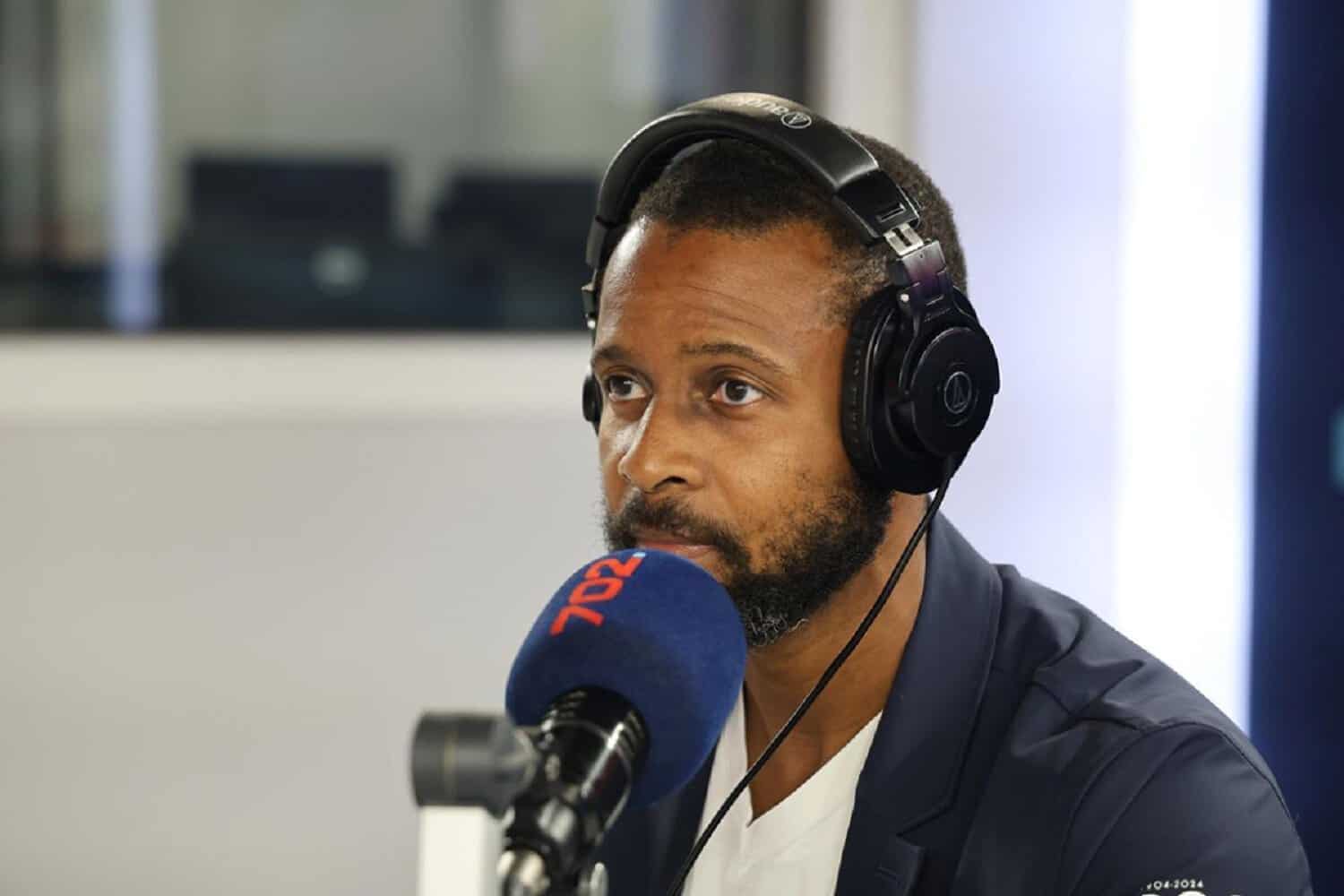
Automobile Association (AA) CEO Bobby Ramagwede is taking aim at car safety disparities in South Africa.
Listening to him talk on a wide range of topics, watching his affable way of putting people instantly at ease, you’d think that Bobby Ramagwede, pictured, would be at home in a diplomatic mission in London, Paris or Washington. Yet, he has a straight-talking manner which can, at times, be anything but diplomatic. Shaking up car safety standards The local motor industry has learned this, to its chagrin, over the past year or so, as Ramagwede used his position as CEO of the Automobile Association of South Africa (AASA) to shake the tree of complacency by pursuing a relentless campaign to improve the safety of new cars sold in this country.
“Why is it,” he asks, “that the lives of South African motorists – and especially first-time buyers getting into an entry-level car – are somehow worth less than the lives of people in other countries?” The AA is safety testing popular locally sold cars – jointly with the Global New Car Assessment Programme (GNCAP) – reporting, for example, a “zero star” rating on the Hyundai Grand i10 and just two-stars on Toyota’s popular base model Corolla Cross. A passing safety grade under NCAP is reckoned to be a minimum of three stars. Ramagwede points out that carmakers in South Africa argue their vehicles meet the homologation requirements by the National Regulator for Compulsory Specifications – and that, therefore, they are safe to use.
GNCAP doesn’t agree, though. From Limpopo roots to boardrooms It’s quite a way, even he will admit, from his early years in Shayandima in Limpopo, where his father was a geologist… and one whose following of the ore took the family all over the world and South Africa. It was as a new economics graduate from the University of Pretoria that his first assignment for SA Breweries was to find out and fix why beer sales in and around Mpumalanga were erratic.
“It didn’t take me long to see the tavern owners were driving fancy cars but didn’t have enough cash for the next order. “I sat down with some of them and took them through business planning – specifically about deferring enjoyment, if I can call it that – which allowed them to reinvest money in their business. “Those who followed it were doing bigger and bigger orders and making more money…” The problem with instant gratification He agrees that a major problem in contemporary South Africa is the pressing need “to have it all and have it now… “If we had a ‘delayed gratification’ mindset, then you wouldn’t be seeing all of these problems around lack of infrastructure maintenance or upgrading…” A varied career across industries Ramagwede’s career seems to have been on an upward trajectory since the SA Breweries days.
He’s had anything but a boring business life, having worked at high level in the banking industry – with Barclays Africa Group as chief of staff to the chief risk officer and held positions at Standard Bank and Rand Merchant Bank focusing on mergers, acquisitions and private equity. He was also pitched headlong into the challenge of running hospitals, but as an administrator, when he was general manager (Coastal) and regional manager (East and Botswana) for the Life Healthcare group. Another foray into health was as part of the Europ Assistance Group, which was then owned by the global Generali Group.
At one stage, Generali decided Europ Assistance in South Africa wasn’t where they really wanted to be and, says Ramagwede, they had plans to shut it down. “I ran the numbers for them, and when they realised how much it would cost them to close, they were receptive to my idea that they sell the company to management.” After the management buyout of Europe Assistance, where Ramagwede was CEO, he went on a year-long sabbatical. ‘Voluntold’ to lead the AA When still in the employment wilderness, he was contacted by business leader and academic Bonang Mohale, who basically “using a YPO [Young Presidents’ Organisation] term, ‘voluntold’ me to run the AA…” The doughty dowager brand turned 96 in January this year, after its formation in 1930 to bring together various automobile and motoring clubs into an organisation representing South African motorists.
Driving policy and industry change Ramagwede has pushed the envelope with the lobbying, including fuel levies, which he believes are “unnecessary” and a “brake” on economic activity. He is also committed to expanding the organisation’s offering further into the travel and tourism sector, while refocusing on its roots as the trusted mobility expert. “We have over 270 000 members.” The AA is part of the African component of the FIA – the international body governing motorsport across the world.
FIA is involved in campaigns on automotive safety and mobility and the AA in SA is leading the push for equality of vehicle safety offerings in developed and developing markets. Ramagwede says the local campaign has already seen some makers coming to the party. He cites the Volkswagen Group Africa, which upgraded its entry-level VW Polos’ safety standards. “The