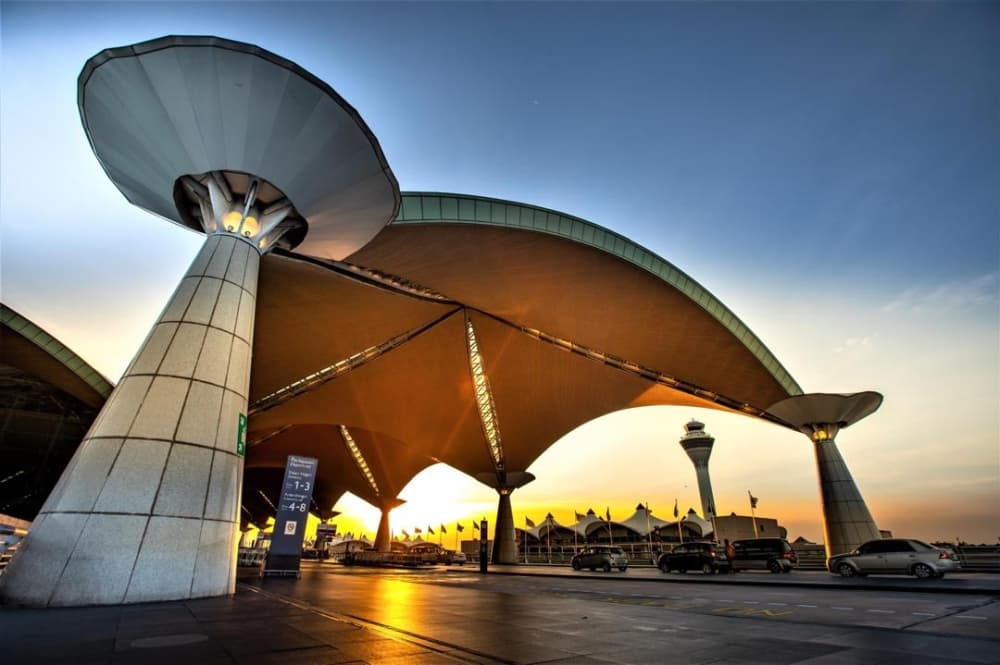
KUALA LUMPUR, April 19 — Airbus sees strong potential for Malaysia, especially Kuala Lumpur International Airport...
KUALA LUMPUR, April 19 — Airbus sees strong potential for Malaysia, especially Kuala Lumpur International Airport (KLIA), to emerge as another super connector or mega hub in the Asia-Pacific region, alongside established hubs such as Singapore Changi Airport and Hong Kong International Airport.Airbus president for Asia-Pacific Anand Stanley said Malaysia is well-positioned to strengthen its role as a regional long-haul **aviation hub**, supported by growing demand for connectivity across the region.“There is room for a third super connector in this region, and Malaysia, with KLIA, can play that role,” he told Bernama in an exclusive interview recently.In aviation, a super connector generally refers to an airline or airport operating a mega-hub strategy, connecting long-haul flights with a high volume of traffic.He said Malaysia has emerged as Airbus’ third-largest market in Asia-Pacific, after China and India, reflecting both strong airline demand and a well-established aerospace ecosystem.The aircraft manufacturer maintains a significant footprint in the country, including engineering and maintenance, repair and overhaul (MRO) facilities in Kuala Lumpur, as well as a regional helicopter hub and training centre in Subang.Malaysia is also home to key suppliers such as Composites Technology Research Malaysia (CTRM), which plays a major role in the production of composite aerostructures for Airbus aircraft.Stanley said Malaysia’s aviation sector benefits from strong domestic demand, increasing regional connectivity within Southeast Asia, and expanding long-haul travel linking the region to global markets.He said that new-generation aircraft are enabling airlines to enhance connectivity and develop new routes more efficiently.“These include the Airbus A321XLR for extended regional routes, as well as widebody aircraft such as the Airbus A330neo and Airbus A350 for long-haul operations.“With the right mix of infrastructure, airline strategies and modern aircraft, Malaysia can further strengthen its role in connecting the region and beyond,” he said.Stanley added that as airlines adapt to evolving demand patterns, Malaysia is well-placed to facilitate both passenger and cargo flows, enhancing its position within the regional aviation network. — Bernama