MINDANAO, Philippines — There’s been a renewed push in the Philippines to develop oil and gas deposits in the southern Liguasan Marsh, prompted by the energy crisis caused by the U.S.-Israeli war on Iran, which has drawn criticism from environmental groups. The 288,000-hectare (712,000-acre) Liguasan Marsh, the largest intact wetland in the Philippines and home […]
MINDANAO, Philippines — There’s been a renewed push in the Philippines to develop oil and gas deposits in the southern Liguasan Marsh, prompted by the energy crisis caused by the U.S.-Israeli war on Iran, which has drawn criticism from environmental groups. The 288,000-hectare (712,000-acre) Liguasan Marsh, the largest intact wetland in the Philippines and home to diverse fauna and flora, is considered by nonprofit conservation group BirdLife International an “important bird and biodiversity area” (IBA). A sizeable portion of Liguasan, on the southern island of Mindanao, has been declared a game refuge and bird sanctuary since 1941.
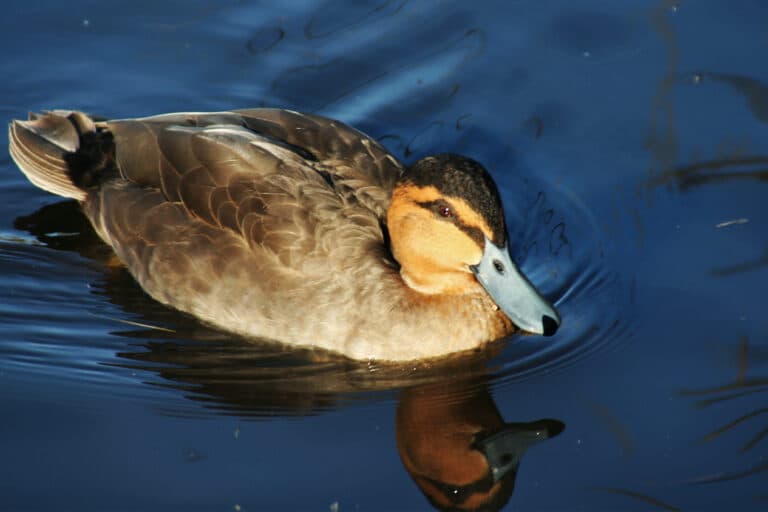
The marsh is home to the critically endangered Philippine crocodile (Crocodylus mindorensis) and is the country’s last frontier for Tachybaptus ruficollis cotabato, a subspecies of the little grebe found only here, and the comb-crested jacana (Irediparra gallinacea). It also contains a significant volume of untapped oil and gas. A portion of the vast Liguasan Marsh beckons along the highway in Maguindanao province in the Bangsamoro region in the southern Philippines, in 2021.
Image by Bong S. Sarmiento. In the 1990s, a joint exploration by the state-owned Philippine National Oil Company (PNOC) and its Malaysian counterpart, Petronas, found that at least 202 million barrels of recoverable crude oil and 6 billion cubic feet of natural gas sit within Liguasan Marsh.
Exploration did not proceed further due to ongoing conflict between government forces and the Moro Islamic Liberation Front (MILF), a 40,000-strong armed group fighting for the right of self-determination in the southern Philippines. A…This article was originally published on Mongabay