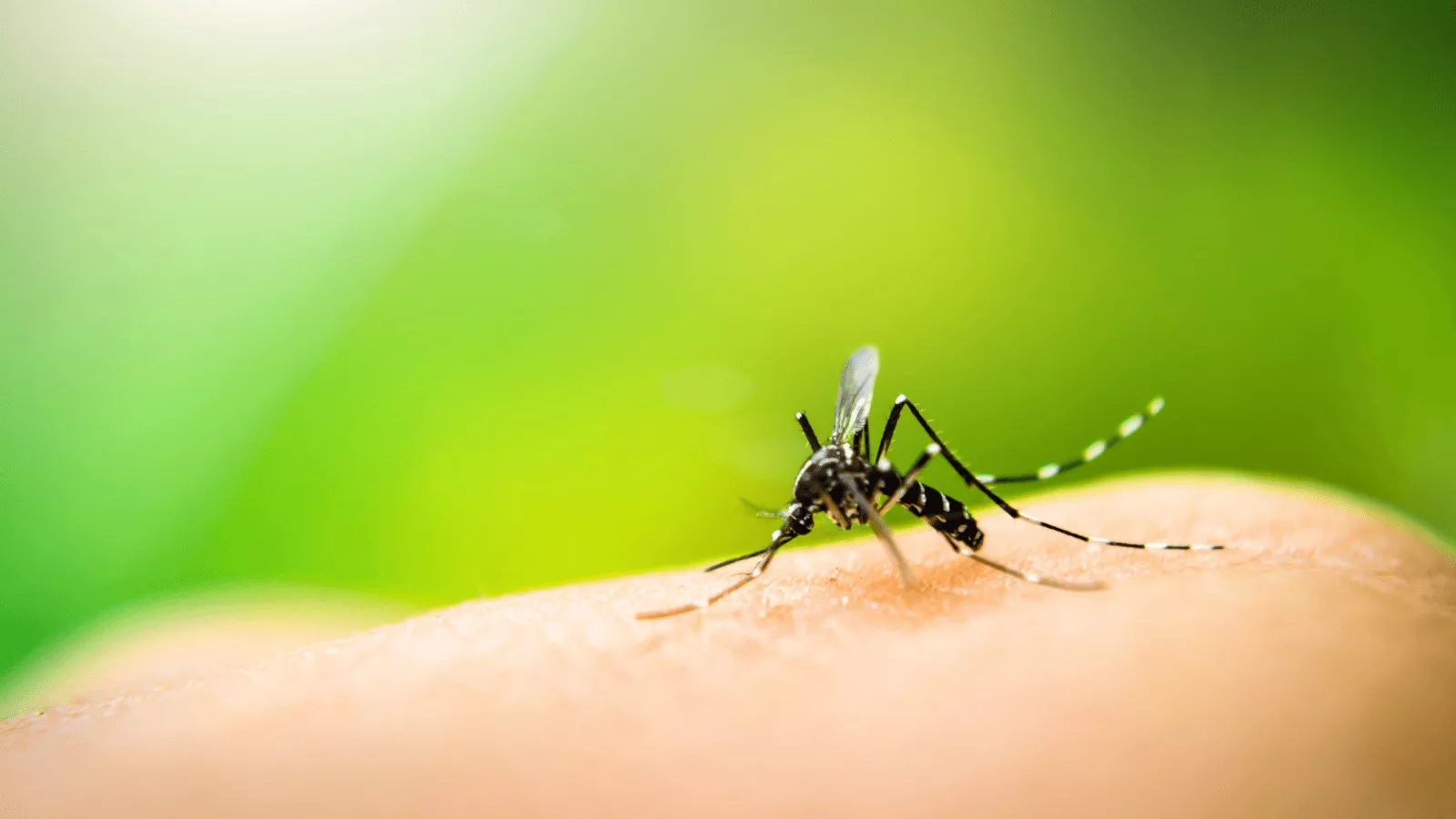
For many Gauteng residents, malaria can sound like a faraway problem, something linked to bush breaks, border crossings, or summer travel plans. But the latest warning from the Gauteng Department of Health brings it much closer to home. Source: Affinity Health According to Bizcommunity, the province has reported a sharp rise in malaria cases and deaths in the first three months of 2026, and the timing says a lot.
It comes just after the festive travel season, when many people head to malaria-risk areas in South Africa and neighbouring countries, then return home carrying symptoms that can easily be mistaken for flu. That is what makes this spike especially unsettling. It is not only about where people travel.
It is about what happens when they get back to Joburg, Pretoria, Ekurhuleni, or anywhere else in Gauteng and shrug off the warning signs. The numbers are climbing fast Between January and December 2025, Gauteng recorded 666 malaria cases and seven deaths. In the first quarter of 2026 alone, from January to March, the province had already logged 414 confirmed cases and 11 deaths.
That is a steep jump from the same period in 2025, when 230 cases and one death were recorded. Health officials say the increase points to a higher transmission risk in the early part of the year, especially after holiday travel to malaria-endemic areas such as Limpopo, Mpumalanga, Mozambique, Zimbabwe, and Malawi. Why this matters in Gauteng Gauteng is not one of South Africa’s main malaria transmission zones.
That is exactly why this story matters. For a province built on movement, business travel, family visits, road trips, airport connections, and regional tourism, imported infections can become a serious public health concern. A person may pick up malaria while away, return home, and only seek help once the illness has already become dangerous.
That travel pattern is familiar to many South Africans. December and early January are peak months for cross-border visits, family holidays, and lowveld escapes. By the time April rolls around, some travellers may barely connect a lingering fever or fatigue to a trip they took weeks earlier.
The symptoms people should not ignore The Gauteng Department of Health is urging residents to get medical help immediately if they develop symptoms such as fever, chills, headache, and fatigue, especially after travel to risk areas. That advice matters because malaria is treatable, but delays can turn it into a medical emergency very quickly. Early diagnosis and prompt treatment can make all the difference.
It is also one of those illnesses that can fool people at first. The symptoms often feel ordinary. A headache. Body aches.
A fever that seems like a bad seasonal virus. That is part of what makes malaria so dangerous for returning travellers who assume they just need rest and fluids. The travel habits that matter most now The health department says prevention still starts with the basics.
Use insect repellent. Wear protective clothing. Stay alert if you are travelling to or returning from malaria risk areas.
Public health guidance in South Africa also advises travellers to reduce mosquito exposure, especially between dusk and dawn, and to consider antimalarial prevention where appropriate before going to high-risk destinations. That makes this less of a once-off health scare and more of a reminder for how people should plan regional travel in the first place. For Getaway readers, that is the real angle here.
A trip to Mozambique, a Kruger route stop, or a family drive through malaria zones should come with the same level of preparation people give to bookings, fuel, and passports. Health planning belongs on the list, too. A timely warning before World Malaria Day The warning also lands just ahead of World Malaria Day on 25 April 2026, giving the story extra weight.
While the global conversation often focuses on large-scale elimination efforts, Gauteng’s latest figures are a reminder that malaria still moves with people, seasons, and missed diagnoses. In a province where travel is part of everyday life, that makes the message feel more immediate than abstract. This is not just a story for clinicians or border towns.
It is a reminder for anyone heading out of Gauteng or coming back in. The department says it is continuing to monitor the situation closely and is strengthening public health interventions to help control the spread and reduce deaths across the province. For now, the message is simple.
If you have travelled to a malaria area and start feeling unwell, do not wait it out. What feels like a stubborn flu could be something far more serious. Source: Bizcommunity Follow us on social media for more travel news, inspiration, and guides.
You can also tag us to be featured. TikTok | Instagram | Facebook | Twitter ALSO READ: EU airlines cut flights as fuel costs surge