Hormuz, not nukes, is Iran’s new deterrent playbook
Dubai: Iran may not have a nuclear weapon — but it has shown it can disrupt the world’s most critical energy chokepoint, even as international bodies insist such waterways must remain open to global navigation.That tension — between capability and legitimacy — is now at the heart of how deterrence in the region is being reshaped.As The New York Times has reported, Iran’s ability to threaten shipping through the Strait of Hormuz has emerged as a powerful strategic tool that could outlast even the current war. Trump’s 48-hour ultimatum escalates Hormuz battle: Why forcing the strait open is high risk For decades, the central concern for the United States and its allies was Iran’s potential to acquire a nuclear weapon — the ultimate deterrent.
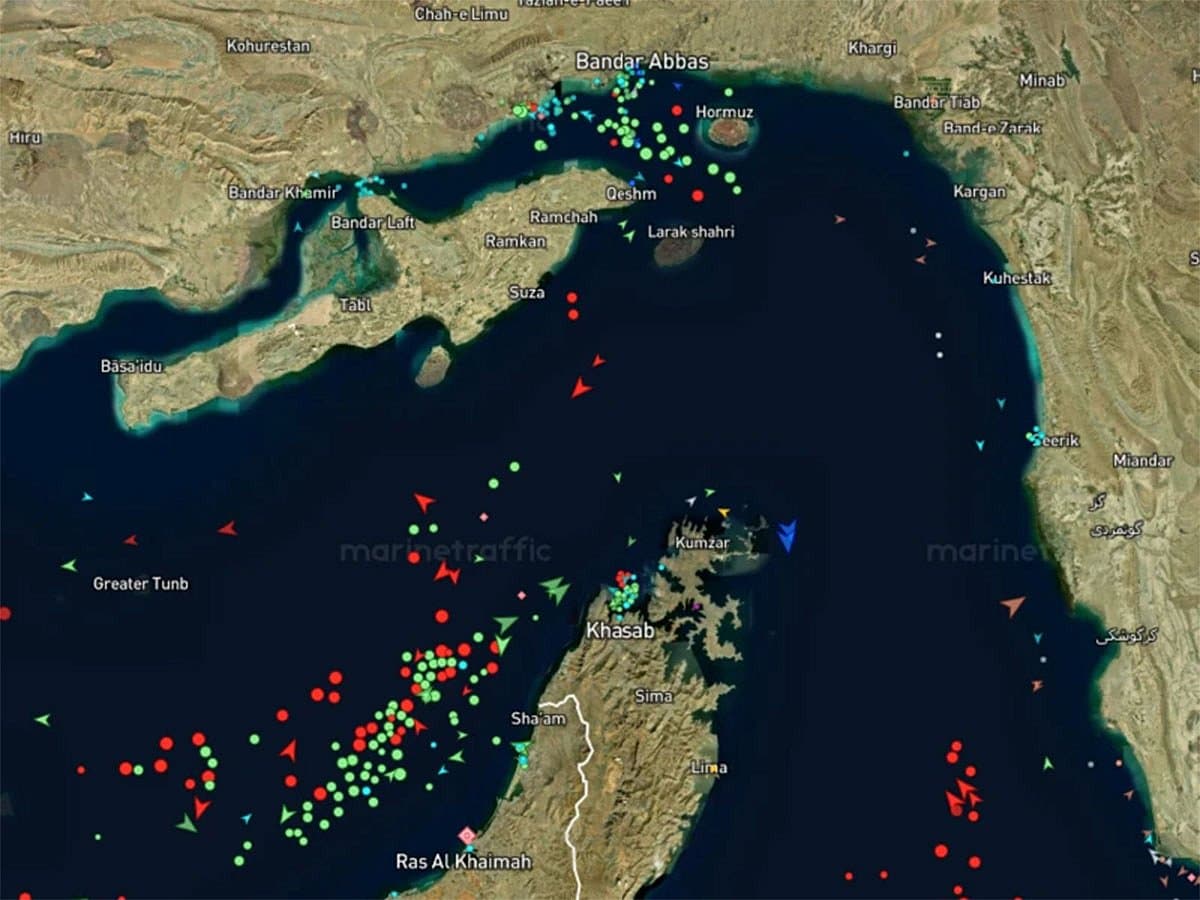
But the conflict has revealed a different reality: Iran already holds a form of leverage rooted in geography.The Strait of Hormuz, through which roughly a fifth of the world’s oil supply flows, has become Tehran’s most immediate pressure point. Even the threat of disruption — through mines, drones or missile strikes — has been enough to unsettle global markets, slow shipping and force costly military responses.Crucially, the war has not eliminated that capability.“You cannot beat geography,” one analyst told The New York Times, underscoring how Iran’s position along the Strait of Hormuz may offer a more lasting deterrent than its nuclear ambitions.Trump’s Hormuz gamble: Showdown for control of the key straitWhile US and Israeli strikes have damaged parts of Iran’s military infrastructure, officials and analysts say Tehran retains sufficient missile launchers and drones to threaten maritime traffic in the future.
In fact, Iranian officials claim their forces have accelerated the rebuilding of missile and drone systems during the ceasefire — reinforcing their ability to sustain pressure.Deterrence at a glance20% of global oil passes through the Strait of HormuzDisruption power: Threat alone can halt shipping and raise pricesMilitary tools: Missiles, drones and mines enable asymmetric pressureRebuild underway: Iran replenishing systems during ceasefireUS response: Carriers, drones and mine-clearing operations deployedLegal stance: UN insists chokepoints must remain open to navigationThis is deterrence by disruption.Unlike nuclear weapons, which deter through the threat of catastrophic retaliation, Hormuz offers Iran a more immediate and flexible tool. It does not need to shut the strait entirely — the mere risk of attack can halt commercial movement and raise global energy costs.Yet this strategy exists in tension with international law.The United Nations has repeatedly stressed that strategic waterways such as the Strait of Hormuz must remain open to global shipping, warning that any disruption risks destabilising international trade.Hormuz 'has never been Iran’s to close or restrict'From the UAE, officials have struck a similarly firm tone.
Dr Sultan Ahmed Al Jaber, Minister of Industry and Advanced Technology, has said the strait “has never been Iran’s to close or restrict,” underscoring that it is a global passage, not a national lever.That contrast defines the current moment.Even as Iran demonstrates its ability to disrupt the waterway, it does so in a way that challenges long-standing principles of free navigation — placing economic pressure on the global system while stopping short of outright closure.For Washington, the response has been equally telling.The US has stepped up mine-clearing operations and increased its naval presence in the region, deploying drones and aircraft carriers to secure passage through the strait. Yet even with this buildup, the task is not straightforward: keeping the waterway open requires constant surveillance and rapid response, underscoring how vulnerable global trade remains.The broader implication is hard to ignore.Even if future negotiations succeed in limiting Iran’s nuclear ambitions, the balance of power may not shift as dramatically as intended. Tehran’s ability to disrupt one of the world’s most vital energy corridors ensures it retains leverage in any future confrontation.In that sense, the war may have revealed more than it resolved.Iran’s most potent deterrent may not lie in a bomb — but in its capacity to hold the world’s energy lifeline at risk.