A reform agenda to prioritise the protection of the human rights of children – and everyone – onlineAPRIL 20 — YAB Prime Minister Anwar Ibrahim,We, the undersigned civil society organisations (CSOs) and individuals, urge the government to immediately withdraw plans to ban social media for children under 16.We understand that public concerns are at a peak, and there is no denying that social media companies have increasingly posed challenges to the wellbeing of children and all social media users in recent years. We also understand that the government’s aim to protect children and young people from online harm and the negative impact of social media on their wellbeing is consistent with Article 19 of the United Nations Convention on the Rights of the Child (UNCRC), which requires States to take measures to protect children from violence (both physical and mental), abuse and maltreatment.While framed as a protective measure, this proposed blanket ban on social media for children under 16, expected to be implemented by June 2026, is misguided and disproportionate, and it risks undermining the privacy and freedom of expression of all social media users, both adults and children.
It does not address the systemic and structural drivers of harm in digital spaces and may ultimately prove ineffective. Far from solving the problem, it threatens to entrench it. It is critical that we adopt evidence-based, rights-respecting regulations grounded in nuance, rather than a total prohibition on children under 16 from participating in the digital world.
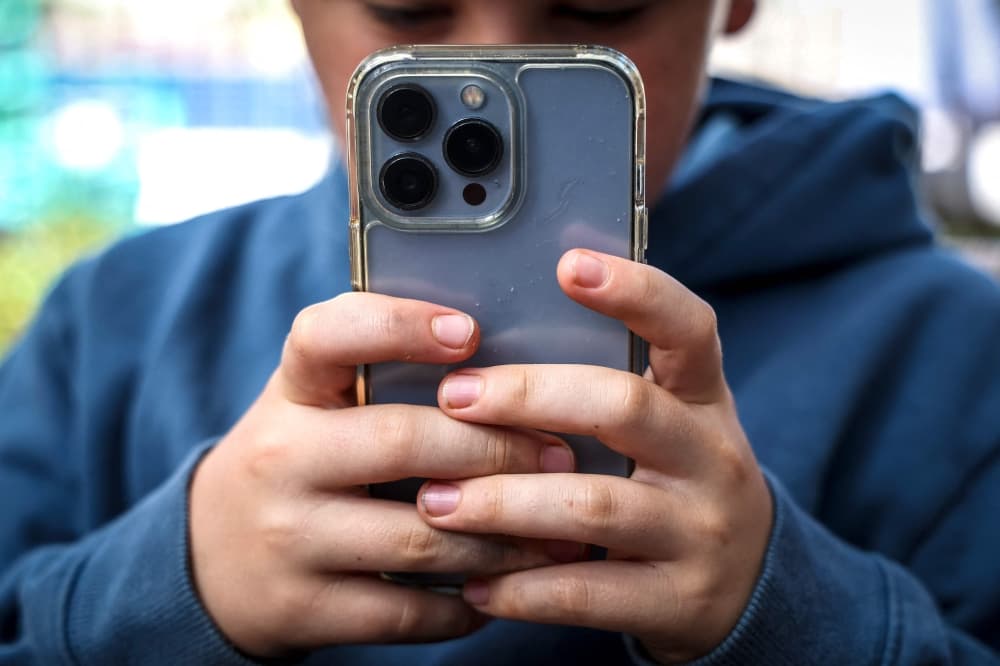
Children do not need to be excluded from digital spaces; instead, they need protection within them, along with the skills and safeguards to participate safely and meaningfully. While framed as a protective measure, this proposed blanket ban on social media for children under 16, expected to be implemented by June 2026, is misguided and disproportionate, and it risks undermining the privacy and freedom of expression of all social media users, both adults and children. — AFP pic Malaysia stands at a critical juncture for reform. The government must reject simplistic, punitive restrictions and instead pursue a rights-based, evidence-driven agenda that confronts the root causes of online harm: platform design, exploitative business models, invasive data practices, and weak regulatory accountability.It should be noted that the UN Committee on the Rights of the Child, in its recent Concluding Observations on Malaysia (February 2026), expressed concern that the government’s steps to ensure inclusive digital access for children remain inadequate.
The Committee raised that “there is a lack of digital literacy and a significant digital divide; age-based prohibition and control over access to social media, as limiting children’s access to age-appropriate information and online child-friendly platforms; and limited guarantee of privacy protection.” The Committee also recommended that Malaysia “adopt a child rights-based approach to the implementation of the Online Safety Act 2025.”A. We recommend the following reform agenda for Malaysia, and urge the government to immediately:Withdraw the proposed blanket ban on social media for children under 16 and ensure all reforms undergo full parliamentary scrutiny and meaningful and inclusive public consultation.Introduce comprehensive and robust platform regulation aligned with constitutional and international human rights standards, including the Federal Constitution (Article 8 and 10), Child Act 2001 (Preamble), and Malaysia’s commitments under the Universal Declaration of Human Rights (UDHR), the Convention on the Rights of the Child (UNCRC), and the International Covenant on the Civil and Political Rights (ICCPR), amongst other international measures.Mandate Human Rights Due Diligence and Child Rights Impact Assessments (CRIAs) for digital services, to identify and mitigate any risks associated with their services, including specifically on children’s rights and consider which regulatory mechanisms can be used to enforce action based on identified risks.Adopt a whole-of-society approach that not only looks at social media in isolation but also proactively engages with civil society, children, children with disabilities, parents, women’s rights groups, children’s rights groups, disability rights groups, health services, educational settings, and other pertinent stakeholders.
By collaborating with these groups, the government can gain valuable insights, develop comprehensive strategies, and implement impactful measures to safeguard children and individuals from online harm.B. Our main concerns are as follows:1. Any such ban must be subject to the full legislative process and should not bypass parliamentary scrutinyThe government is looking to introduce the social media ban through a Child Protection Code (CPC), under section 80 of the Online Safety Act (ONSA).However, as we have stated previously, the ONSA lacks clarity and lacks strong safegua