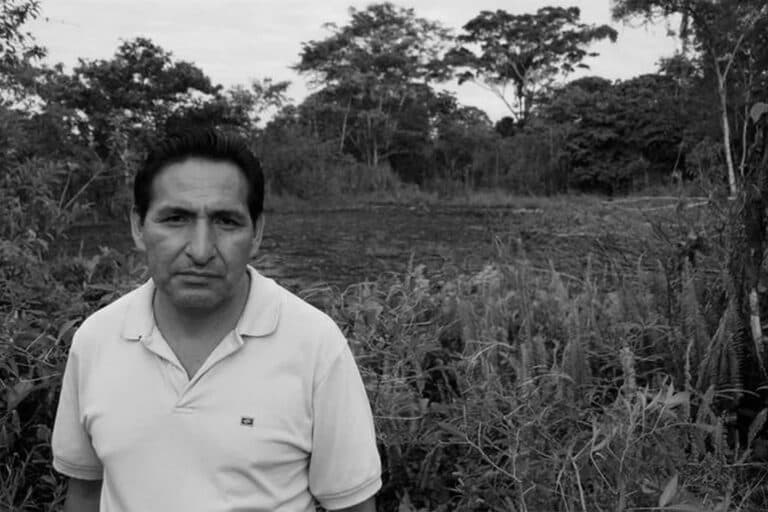
For much of the late 20th century, oil development in the Ecuadorian Amazon proceeded with little restraint. Wastewater and drilling residues were discharged into rivers or left in open pits. Forest was cleared. Communities downstream relied on contaminated water for drinking, cooking, and bathing. Over time, residents reported rising rates of illness, including cancers and […]
For much of the late 20th century, oil development in the Ecuadorian Amazon proceeded with little restraint. Wastewater and drilling residues were discharged into rivers or left in open pits. Forest was cleared.
Communities downstream relied on contaminated water for drinking, cooking, and bathing. Over time, residents reported rising rates of illness, including cancers and respiratory disease. People might argue about the scale of the contamination, but no one could argue that it wasn’t visible.
By the early 1990s, the region had become a test of whether affected communities could use the law to hold a multinational oil company to account. That effort took shape as a long legal battle against Texaco, later acquired by Chevron. It moved between jurisdictions, from New York to Ecuador, and drew in tens of thousands of plaintiffs from Indigenous and settler communities.
The case would last decades. It required organizing across remote territories, gathering testimony and evidence, and sustaining attention in a legal process designed to exhaust both. Luis Yanza was central to that work.
He died on March 27th 2026, from cancer, after years spent in the same landscapes where contamination was alleged to have taken hold. His role was not primarily in courtrooms. While lawyers argued motions and judges weighed jurisdiction, he traveled the back roads and rivers of the northern Amazon, meeting communities, explaining the case, and maintaining a coalition that spanned more than 80 villages and several Indigenous peoples.
Luis Yanza in his youth. Yanza grew up in Lago Agrio,…This article was originally published on Mongabay