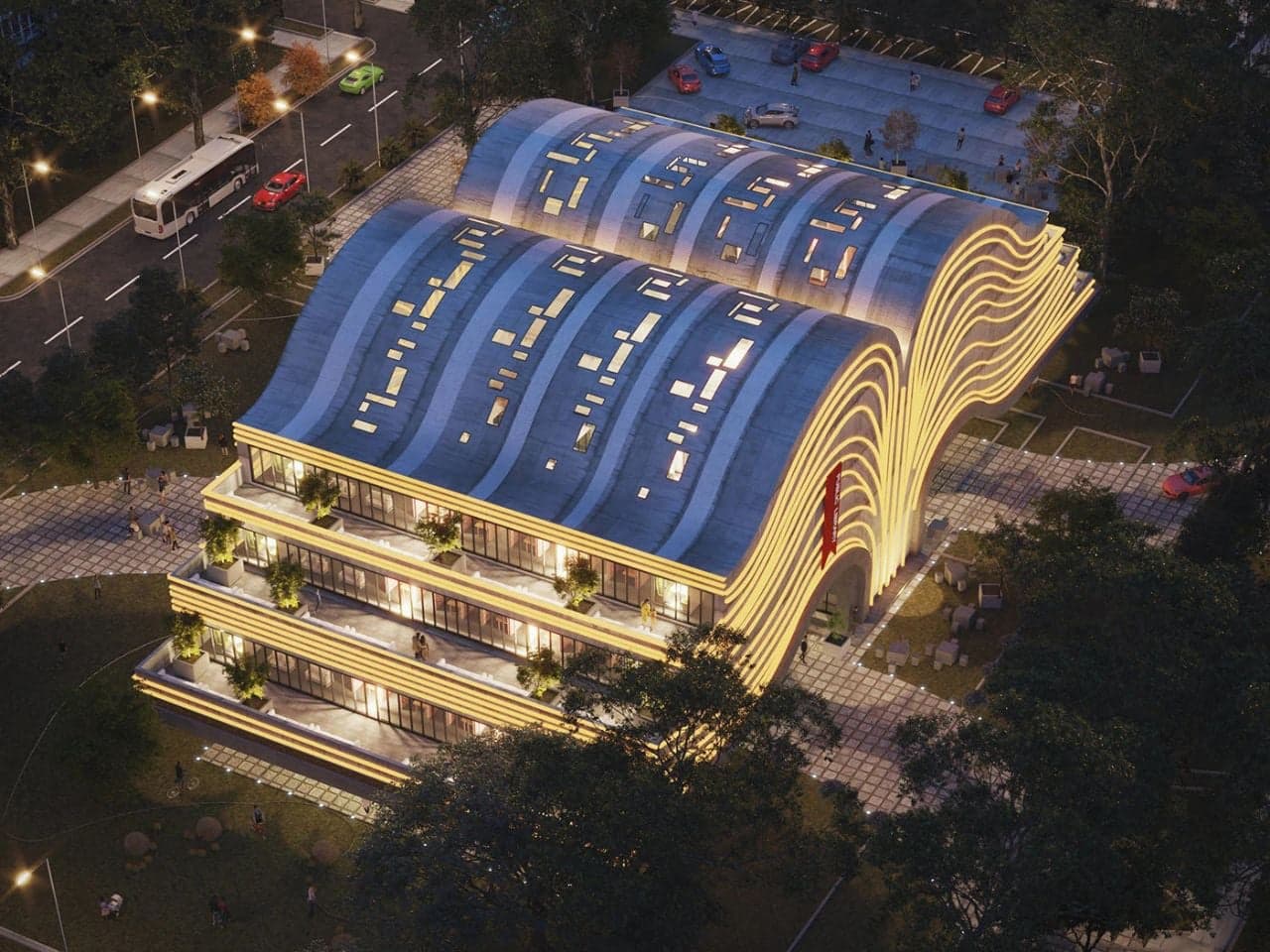
In a world shaped by AI, constant notifications, and shrinking attention spans, focused reading has become harder to protect. Distractions are no longer just external; they are embedded in the very tools you use every day. Against this backdrop, libraries are no longer quiet backdrops to digital life, but intentional spaces designed to help you slow down, disconnect, and return to deeper forms of attention.
The library has evolved far beyond its conventional identity as a storage space for books. You now experience it as an active social and intellectual landscape, one where spatial rhythm, light, and material honesty shape moments of focus and exchange. Contemporary design responds to how you move, pause, and engage, creating environments that support deep concentration and collective learning in an age of constant interruption.
By shifting away from static shelving systems toward spaces that encourage interaction and introspection, here is how architecture establishes a deeper dialogue between built form and human presence. 1. Libraries in Motion The portable library signals a new approach to how knowledge inhabits the home. Rather than remaining fixed, it moves with you and is integrated into daily life through carefully designed, lightweight structures.
These mobile elements allow reading, reflection, and display to shift naturally across spaces, responding to changing moods and routines. From a design and value standpoint, portability introduces long-term flexibility. Spaces can be reconfigured without loss of visual coherence or function.
These modular forms act as movable architectural markers, maintaining relevance as lifestyles evolve while transforming reading into a deliberate, spatial experience woven through the home. La Libreria is a lightweight, demountable library designed by Diller Scofidio + Renfro for the Venice Architecture Biennale, created to travel and encourage reading wherever it is installed. Spanning 24 metres, the pavilion draws on principles of tensile architecture influenced by the research of French engineer Robert Le Ricolais.
Rather than being fixed to the ground, the structure gains stability from ballasts and the weight of the books themselves, which are displayed on timber shelves running along its length. This clever integration of structure and storage keeps the library open, flexible, and easy to reassemble in new settings. Wrapped in a transparent STFE architectural textile, the pavilion remains visually light while being durable and portable, allowing it to be packed into a container and relocated with ease.
Currently situated in the Giardini della Biennale, it stands among experimental national pavilions, reinforcing the event’s spirit of innovation. 2. Biophilic Reading Sanctuary Integrating biophilic design transforms the library into a calm, light-filled refuge. You experience softened architectural edges through diffused daylight, interior planting, and tactile natural materials.
This deliberate balance between structure and nature supports mental clarity, creating a focused reading environment that restores attention and strengthens your sensory connection to space. Beyond visual comfort, biophilic strategies deliver measurable performance value. You benefit from improved air quality, passive cooling, and reduced energy demand through living walls and natural ventilation.
These systems create a stable microclimate while grounding the design in regional traditions, ensuring the library feels timeless, responsible, and deeply human. Stalk-like arches and mushroom-inspired canopies form a playful shelter for the Mushroom Library, a children’s reading space in Yanzitou Village, rural China. Envisioned as a “fantastical village landmark,” the library acts as a welcoming gateway to a future community centre and a lively gathering point.
Inspired by the fungi found in nearby forests, the structure blends gently into its landscape while standing out as a symbol of cultural continuity. In a village facing depopulation, the library becomes a place where returning children and residents reconnect, turning weekends into moments of shared learning and intergenerational exchange. Built around an existing raisin tree, the library reflects close collaboration with local craftspeople.
Ribbed steel bars are woven into tall arches, later encased in concrete to create an organic yet durable form. An irregular canopy, punctured with circular openings, filters daylight into the reading room, while one opening allows the tree to grow through the roof. Inside, curved concrete walls and timber shelves create cosy reading corners, as shifting light patterns animate the space and spark imagination. 3.
Multifunctional Library The multifunctional library functions as a central knowledge hub where work, study, and social exchange coexist. You experience a carefully layered spatial sequence that supports silence, collaboration, and digital engagement within a single setting. Integrated joine