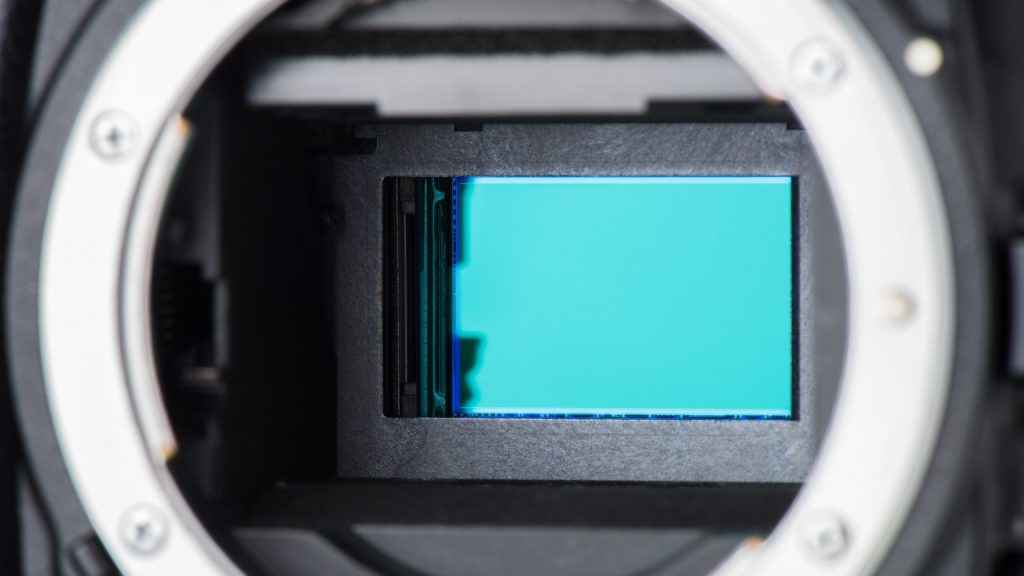
While smartphone cameras have definitely improved over the past few years, making it enough for the average consumer. There are still a large number of people out there who wish to invest in buying full-fledged mirrorless camera ecosystems. But oftentimes, as beginners, most people end up making crucial mistakes, which not only cost them a lot of money but also, in the long run, hamper their experience.
Survey Thank you for completing the survey! So I thought, why not make a simple guide? That would help people understand some of the most basic things before they actually go and buy the camera.
From usage of the camera to the lens ecosystem and many other things, let’s take a deep dive into 5 things you need to keep in mind before buying your first camera. Also Read: Why NASA used Nikon cameras throughout the Artemis II mission Understanding your camera usage First and foremost, the essential thing to look out for is understanding your usage with the camera. Most beginners often assume that they would only click pictures with their camera, but end up doing videos instead, or vice versa.
While there’s nothing wrong with doing so, the important thing to understand is that different cameras often carry different purposes. One camera might be built for shooting videos and would pack better video specs compared to the other camera. Similarly, most photo-centric cameras feature an EVF (electronic viewfinder) and other useful photography features, which would not be present on cameras built for shooting videos.
So all in all, picking something that works best for your use case is essential. You’re buying into an ecosystem Secondly, early buyers need to understand that, unlike a smartphone, which you would end up upgrading in maybe 2-3 years down the line, buying a camera is a much different affair. Once you buy a camera system, it stays with you for a long time before you truly feel the need to upgrade to something more modern.
That also means you’re not just buying a single camera system but an ecosystem instead. The camera body you pick decides all the lenses you can pair it up with. If you are buying a camera with the Sony E-mount system, lens options from Sony itself are huge, but they open up a lot with third-party makers like Sigma and Tamron.
But the same can’t be said for other camera mounts like the Canon RF mount. So overall, it’s safe to say that the mount the camera comes with becomes an important buying decision for first-time buyers. Don’t spend it all in one place Yet another mistake most people end up making as a beginner is getting into the hype of camera bodies and spending all their money on buying the latest camera.
While newer bodies typically may offer many advanced features, they’re not going to be useful if you don’t have a good lens to pair them with. That’s why, as a standard practice, it is recommended that while allocating your budget for a camera, you should look out for other things like lenses, too. Many pro photographers have suggested that out of the 100% of your budget, spending 40% of the money on a camera body is fine, but you should at least allocate the remaining 60% to buying the best possible lens based on your camera system.
The kit lens isn’t bad for beginners The consensus around kit lenses, i.e., the lenses that are usually bundled with camera systems, is that most people hate them. And well, it’s true that optically they’re not good, since they’re usually not sharp enough and often have a variable aperture, which really tones down your shooting experience. However, all those things matter to the pros.
For an absolute beginner, a kit lens like the Sony 16-50mm or the Canon 18-55mm isn’t a bad option at all. Most people who are trying out a camera for the first time aren’t aware of the focal length they will be shooting on, and because of that, they end up investing in the wrong lenses. But since the kit lens covers all the basic focal lengths, from a standard wide-angle to a medium/short telephoto, it would help you understand what kind of lens you should be investing in.
Once you’re confident about what kind of focal length you should be shooting in, that’s when you ditch the kit lens and upgrade to either a new prime or zoom lens. Second-hand camera options are worth a look Last but not least, another important factor that’s worth considering is the second-hand camera market for saving a ton of money. Most people don’t even look into the second-hand camera gear, generally because they’re not sure if they could save money buying used gear.
But the reality is that the second-hand market is filled with all sorts of great deals, and you just need to find the good deals for yourself. While scams are something to be aware of, if you do your research well, chances are you could save almost half the money by buying used gear. In my case, I paid somewhere around Rs 35,000 for my used Sony ZV-E10, along with the kit lens, while the newer model would have ended u