Lines wrap around the block for The Corner Store, where reservations are as elusive as they are coveted. Inside, the menu reads like a mix of city chic and childhood favorites. Lobster and caviar rolls sit next to five-cheese pizza rolls.
For dessert? Soft serve with sprinkles. Or maybe even an ice cream sundae. It’s familiar, nostalgic and just refined enough to justify the price point.
At the U.S. Open last August, $100 caviar-topped chicken nuggets made just as many headlines as the matches themselves. The highfalutin nuggets were courtesy of Coqodaq, a high-end New York City joint known for its Korean fried chicken, and securing a box at this year’s tennis tournament was almost as coveted as tickets to the event itself.
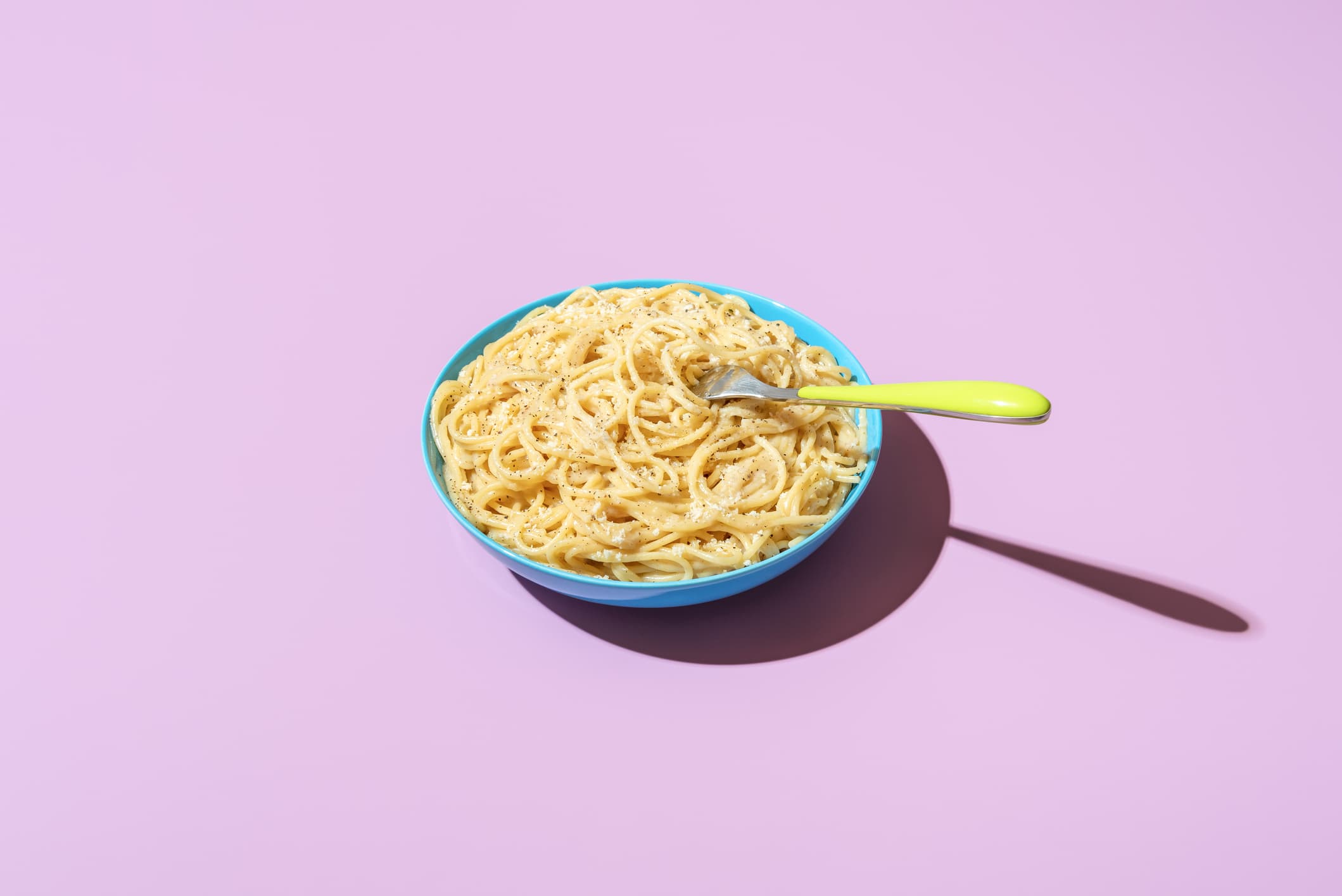
An eyebrow-raising detail, when the U.S. Open’s other dining options include offerings from multiple Michelin-starred chefs and restaurants. Across fast-casual chains and buzzy dining rooms alike, the aesthetic is unmistakable: mac and cheese cosplaying as cacio e pepe, menus flaunt croquetas and hand pies that are really just mozzarella sticks and overpriced pizza pockets, caesar salad everything.
The hottest tables in America are serving what suspiciously looks a lot like the kids menu — but with an adult price tag. Related French food finds its cool again I’m sure you can think of at least half a dozen restaurants that have followed this pattern recently: Beyond Coqodaq and The Corner Store, there’s Bad Roman, C as in Charlie, Pearl Box, need I go on? That’s not to say that these restaurants are child-like or “for children,” sometimes it’s just one dish or gimmick that evokes these feelings, but you can’t deny that they are leaning into playful, nostalgic formats — building entire concepts around food that feels whimsical, familiar, and even a little unserious.
At first glance, it reads as ironic. A wink at the diner. A way of saying: Here you are sitting in a white-tablecloth restaurant where a martini and fries costs more than your phone bill, but here’s a jar of candy to snack on.
When you step back, it seems ridiculous. But there’s no doubt people enjoy it; these are some of the most impossible tables to get in New York. So instead of dismissing it as a bygone trend, why don’t we ask ourselves why?
What looks like regression is often better understood as response. Want more great food writing and recipes? Sign up for Salon’s free food newsletter, The Bite.
The idea of a “kid’s menu” isn’t universal. As anthropologist Harry West points out, the phenomenon is far more pronounced in the United States than in many other parts of the world, where children are more often expected to eat variations of if not the same food as adults. “I think the catering to children is a much stronger phenomenon in the U.S. than you find in many places,” says West, “And I think the tolerance for ultra processed foods and the kinds of things that you’re talking about is also much higher in the U.S. than it is in Europe.” Chicken tenders, buttered noodles, the multi-billion dollar industries of American fast food and ultra-processed snack foods have created a category that didn’t necessarily need to exist.
Now, adults are reclaiming it. To understand why, it helps to look beyond the plate. “Across the board, I would say that there just definitely has been an increase in nostalgia,” says workplace well-being expert Jennifer Moss, who has spent years studying happiness, burnout and emotional behavior.
Over time, she says, her work has increasingly focused on the ways institutional stressors — from work culture to global instability — have eroded people’s sense of well-being. She says that it all relates back to COVID. “A lot of that is a result of the fact that we’re still in this crisis mode.
We’re still in a state of high anxiety, high stress, that hasn’t changed. We’ve actually seen it worse,” says Moss. We need your help to stay independent Subscribe today to support Salon’s progressive journalism In that environment, food becomes more than sustenance.
It becomes a coping mechanism. “When we’re anxious, we want to go back to things that made us feel safe,” Moss says. “That could be our mother’s cooking or grandmother’s recipes.
All of that just drives our sense of stability when we’re feeling fragile.” She describes a growing phenomenon she calls “new-stalgia” — a blending of old and new that pulls people back into that place of feeling connected to their youth and connected to the things that made them feel good. There’s a biological component, too. Stress increases cortisol levels, which in turn drives cravings for quick, energy-dense foods — carbs, sugar, the kinds of things that dominate elementary school diets.
“We’re trying to essentially get that chemical boost that is subconsciously being eroded from the anxiety that we’re experiencing,” Moss says. In other words, the urge to order a plate of buttered noodles or a perfectly crisp chicken nugget isn’t childish. In many ways, it’s inevitable. Our b