KUALA LUMPUR, April 24 — Local businesses are already feeling the adverse effects of the global energy crisis caused by the Iran warAfter surviving the Covid-19 pandemic six years ago, these small and medium enterprises (SMEs) are now forced to adapt to the “new normal” of rising fuel prices and supply chain disruptions.While the government’s newly announced RM10 billion financial cushion and extended e-invoicing transition offer some long-term hope, several local SMEs are in a race for survival, struggling to cope with rising operational and supply costs.Durian dilemmaDurian online store Dking has been around for 17 years, specialising in exporting and supplying various durian products — from the king of fruit itself to other durian-related confectioneries and products — to over 10 countries such as China, Turkiye and even Canada. One of Dking’s founders, Leron Yee, said their business relies heavily on transportation. — Picture by Choo Choy May The company which started as a humble fried durian stall in 2009 has grown significantly over the years with six outlets around the country including in the Klang Valley, Melaka, Penang and Pahang.However, Leron Yee, 42, who is one of the founders said they are currently quite affected by the energy crisis, especially as their business relies heavily on transporting their products from their headquarters in SS2, Petaling Jaya to all of their outlets.And with diesel prices now at RM5.97 per litre, Yee and his partners have to come up with another formula to keep their operations running.“Yes, hiking up the price is very easy, everyone can do that but for us, we are trying to tackle it differently.“We will try to absorb as much as we can and try to save as much internally first because external wise, we can’t do anything anymore — we can’t fly to the US and say ‘Hey, stop it’.“But internally, we can still try to reduce whatever costs that we are able to,” Yee told Malay Mail.Amongst the steps being taken by Dking is a more strategic approach to workforce planning and recruitment while also optimising their internal budget by taking one-per cent off across their departments.They also have to reschedule their company engagement activities such as annual trips and employee gatherings to ensure better allocation of resources for the time being.“Importantly, any savings or efficiencies gained are being reinvested into employee development, including training and upskilling programs to strengthen our team for long-term growth,” he said.Aside from that, Dking is also preparing for a stronger durian season as durian orchards in Penang are fruiting earlier than expected this year due to the hot and dry weather and a forecast of a possible surplus in the upcoming season.“Dking is proactively preparing for increased supply nationwide, which we believe will lead to more competitive pricing.“This presents an opportunity for us to deliver greater value to customers while keeping the market dynamic and accessible,” Yee said.Off the menu... for now Gringo’s managing partner Azhan Benny Foo (far right) with Arsenal Malaysia’s committee members at Gringo’s. — Picture courtesy of Gringo’s Local restaurant and bar Gringo’s which specialises in Texas-Mexican (Tex-Mex) cuisine opened their first brick and mortar shop in Taman Tun Dr Ismail back in 2022 after years of operating out of a food truck.The restaurant also acts as one of the home bases for Arsenal Malaysia, a local fan base for the English Premier League giant, where they regularly host “live” viewing of football matches involving Arsenal and also when it comes to matches involving local football club, KL City FC.Gringo’s managing partner Azhan Benny Foo or Ben, 43, has begun removing beef tenderloin items from their menu for the time being in response to the global energy crisis.Popular beef-based dishes like Fajitas, Burritos, and Quesadillas are being phased out due to a 53 per cent spike in imported beef prices, which rose from RM25 to nearly RM40 per kilogramme recently.With almost 80 per cent of their ingredients being imported, Ben said that they are also experiencing price hikes on other ingredients as well, including for cheese.“When prices started spiking up, we had no choice but to talk to other suppliers who could provide us with cheese brands that have similar taste and cheaper prices.“But we are not fully substituting our previous brands with the cheaper ones — we would still get the original but now we have to combine it with the other brand in order to keep that same taste.“We had to kind of reverse engineer the cheese so that the quality and taste can still be maintained,” Ben said.Despite Gringo’s reputation for hosting lively football screenings, weekday footfall remains a challenge.To combat this, the business has diversified its revenue streams by expanding into catering and deploying its food truck more frequently.While a busier food truck typically means higher fuel expenses, Gringo’s secured a vital lifel
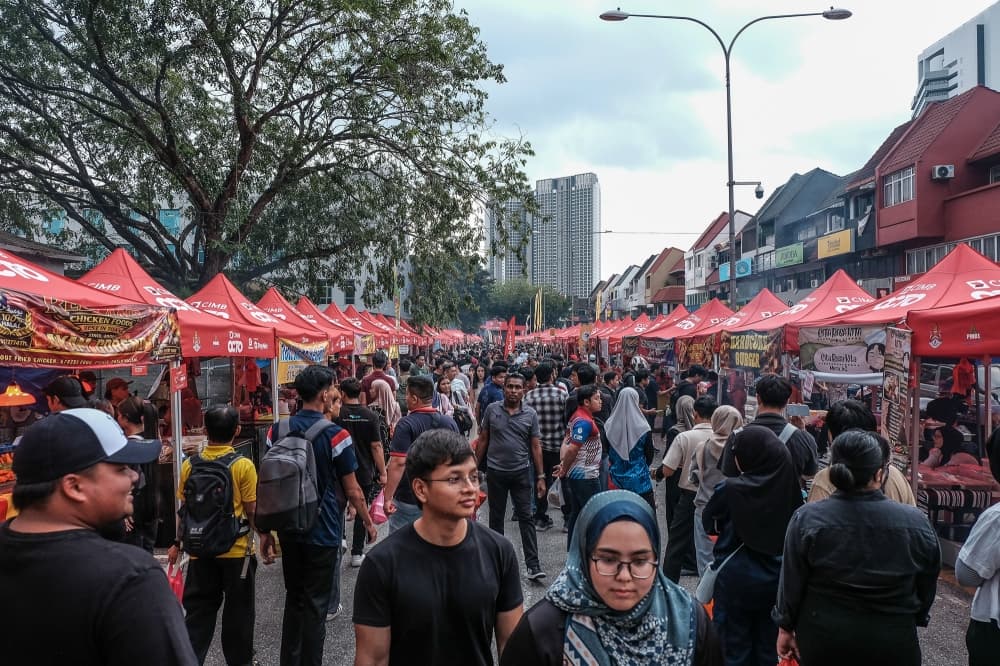
From trimming menus to margins: How some Malaysian businesses are surviving the global energy crisis
Arif Zikri·Malay Mail··5 min read
M
Continue reading on Malay Mail
This article was sourced from Malay Mail's RSS feed. Visit the original for the complete story.