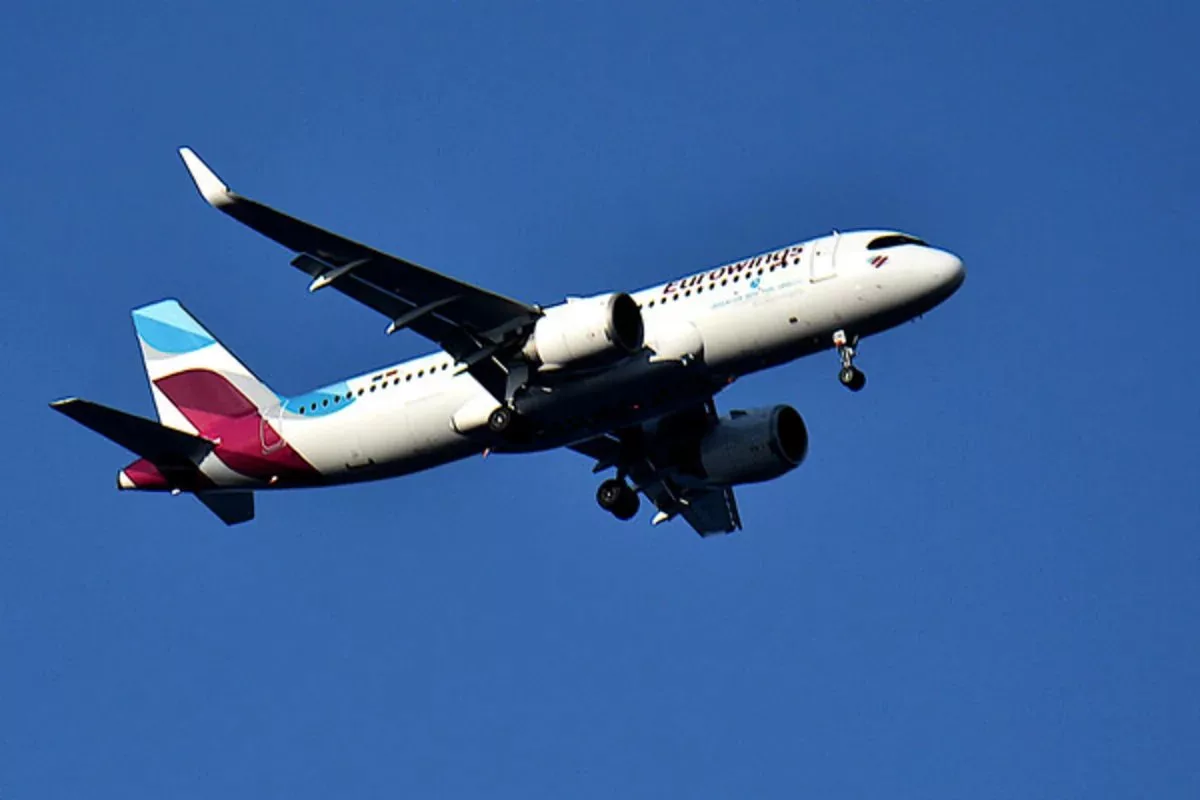
Global airlines slash costs as rising fuel prices shake the travel industry Airlines across the world are entering cost-control mode as sharply rising jet fuel prices begin to hit schedules, fares and profitability. Sourced: X{@reportaznews} The latest pressure comes after the ongoing conflict involving the United States and Iran triggered fresh disruption in global energy markets, sending aviation fuel costs sharply higher. For passengers, the warning signs are already visible: fewer flights, more expensive tickets, and growing uncertainty around summer travel plans.
Fuel prices hit airlines where it hurts most Fuel is one of the biggest expenses for any airline, and when prices spike suddenly, the effect can be immediate. Industry reports suggest jet fuel costs have doubled amid supply concerns and transport disruption linked to conflict in the Middle East. That creates a serious challenge for carriers already operating on thin margins, especially on short-haul routes where fares are highly competitive and profits are often limited.
When fuel rises fast, airlines usually have only three options: absorb the cost, cut capacity, or pass it on to passengers. Most are now doing a combination of all three. Lufthansa makes one of the biggest moves Lufthansa has become one of the first major airlines to make a dramatic adjustment, announcing plans to cancel 20,000 short-haul European flights this summer.
The airline says soaring fuel prices have made many of those routes uneconomical. Short-haul services are often the most vulnerable during fuel shocks because ticket prices are lower, turnaround costs remain fixed, and competition from rail or low-cost carriers can limit fare increases. For European travellers, that means tighter schedules and reduced flexibility during one of the busiest travel periods of the year.
Why short-haul flights are being targeted first Short regional routes are usually where airlines cut first during cost pressure. These flights consume fuel during takeoff and climb — the most expensive stages of a journey — while generating lower revenue than long-haul services. That means a one-hour route can become surprisingly expensive to operate when fuel doubles.
Instead, airlines may prioritise larger aircraft, combine frequencies, or redirect capacity to more profitable long-haul markets. Passengers should expect higher fares Even where flights are not being cancelled, ticket prices are likely to rise. Airlines commonly add fuel surcharges or quietly increase fares when costs climb.
Routes with strong demand and limited competition are often the first to see noticeable increases. Families travelling during school holidays, business passengers booking late, and leisure travellers on popular routes may feel the impact most. Online reaction has been predictable: frustration over higher fares, but also growing recognition that fuel costs shape almost every airline pricing decision.
A global ripple effect beyond Europe Although Lufthansa’s cuts have drawn attention, the pressure is industry-wide. Carriers in Asia, Africa, the Middle East and the Americas are all exposed to fuel volatility. Some are trimming schedules quietly, others delaying expansion plans, while low-cost airlines may reduce marginal routes entirely.
Airlines with older fleets tend to feel the squeeze more sharply, while operators with newer fuel-efficient aircraft may cope better. What travellers can do now If fuel pressure continues, passengers may want to plan more strategically: Book earlier to avoid late fare spikes Consider nonstop routes where possible Keep travel dates flexible Monitor schedule changes after booking Compare nearby airports for better pricing These steps cannot eliminate disruption, but they can reduce the cost impact. The bigger picture for aviation The airline industry has always been highly sensitive to geopolitical shocks, and fuel is often the fastest way conflict reaches ordinary travellers.
What happens thousands of kilometres away in oil and shipping markets can quickly affect whether a weekend break is affordable or a route remains viable. For now, airlines are trying to protect margins while keeping networks intact. But if fuel prices remain elevated, travellers should prepare for a season of leaner schedules and pricier seats.
Source: IOL Follow us on social media for more travel news, inspiration, and guides. You can also tag us to be featured. TikTok | Instagram | Facebook | Twitter ALSO READ: