Political parties represented in Parliament have intensified criticism of government over the worsening fuel and foreign exchange crises with some pushing for a return to the government-to-government (G2G) fuel procurement system. The Malawi Government has since acknowledged the concerns and said it is taking action, adding this is not time for politicking. In the wake of rising fuel pump prices due to geopolitical tensions in the Middle East and locally worsened by shortage of foreign exchange, public transport operators have also raised fares.
Yesterday, main opposition Malawi Congress Party (MCP) held a press briefing in Lilongwe while United Democratic Front (UDF), UTM Party and 2025 independent presidential candidate-cum-economist Milward Tobias issued separate statements on the matter earlier. Addressing the media yesterday, MCP campaign director and chief whip in Parliament Moses Kunkuyu accused the Democratic Progressive Party (DPP) administration of indecisiveness and deflecting blame to global tensions, including developments in the Middle East. Kunkuyu: Provide solutions. | Andrew Viano He also faulted the decision to abandon the G2G fuel model, describing it as more reliable, saying: “Government must be candid about the true state of foreign exchange reserves.
The ongoing forex shortage threatens the procurement of fuel and other essential commodities and demands urgent, transparent and decisive action.” In his statement, UDF president Atupele Muluzi described the fuel shortage as one of the worst since 1994, but urged collective action rather than blame. He urged government to apply reforms suggested in joint reform agenda by the African Development Bank, the United Nations and the World Bank Group, which outlines 22 priority measures under the report ‘No time to waste: Policy priorities for Malawi’s recovery’. The report warns Malawi is facing its most severe economic crisis since independence, marked by high inflation, declining incomes, unsustainable debt and acute forex shortages.
But Muluzi commended government for prioritising fuel, fertiliser, forex, food and essential medicines, stressing the need for urgent and coordinated reforms. UTM Party president Dalitso Kabambe also called for unity, saying the crisis requires joint solutions from both government and the opposition. However, Tobias criticised government for abandoning the G2G arrangement, questioning inconsistencies in forex availability.
“It is strange to be told there is no foreign exchange when the Reserve Bank recently reported improved reserves. Where has the forex gone?” he said. In a post on Facebook, Mzimba Central legislator Vitumbiko Mumba (independent) echoed the call for G2G, arguing it suits countries prone to forex and fuel shortages.
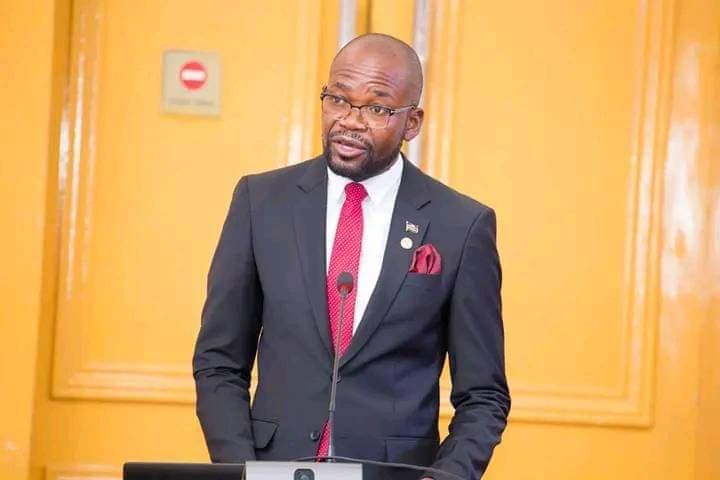
Minister of Information and Communications Technology Shadric Namalomba said government has noted the concerns, but will respond through action rather than commentary. “This is not time for politicking but for delivering solutions,” he said. Namalomba, who is the official government spokesperson, also assured the public there is no need for panic buying, saying the country has over 30 days of fuel supply secured, with seven days’ supply already in circulation.
Meanwhile, the fuel scarcity has prompted minibus operators to sharply increase fares on major routes, leaving commuters paying far above normal rates as transport costs continue to rise in cities and districts. Minibus Owners Association of Malawi secretary Coaxley Kamange said the association’s hands are tied as it no longer sets fare ceilings after being barred by the Competition and Fair Trading Commission. In a separate interview, Consumers Association of Malawi executive director John Kapito said the fuel crisis has hit public transport hardest, noting that operators are also factoring in long hours spent queuing for fuel.