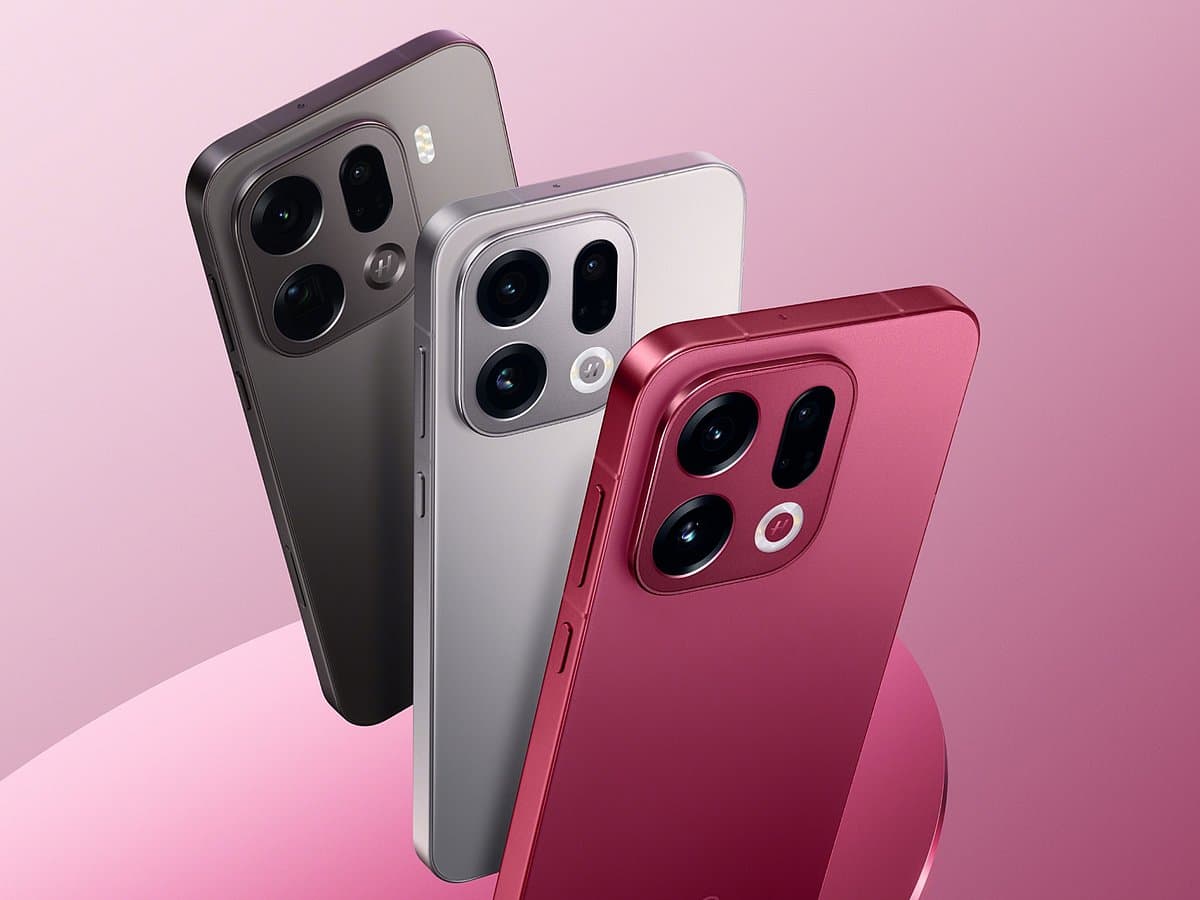
Oppo has officially unveiled the Find X9 Ultra, a camera-first flagship that pushes smartphone photography into extreme territory, headlined by a five-lens system and an industry-first 50MP 10x telephoto designed for long-range clarity. With sensors, a huge battery upgrade and 8K video capabilities, it clearly positions itself as one of the most ambitious imaging phones of 2026. But while the Find X9 Ultra sets a new benchmark on paper, it also raises the bigger question: do you really need to wait for it?
Right now, several flagship phones already deliver outstanding photography across zoom, portraits, low light and video. From AI-powered shooters to ultra-zoom devices and cinematic video champs, here are the best camera phones you can buy today while the Oppo hype builds. We scoured through reviews and top-rated products for this list.
Samsung S26+ review: Can it finally capture the perfect moon shot? Display, AI and camera performance tested 1) Best Overall: Samsung Galaxy S26 Ultra Sky BluePros:200MP main camera with excellent detail and low-light performanceSnapdragon 8 Elite Gen 5 delivers top-tier speed and efficiencyInnovative privacy display for added on-screen securityPremium titanium build with sleek Sky Blue finishLarge 5000mAh battery with fast 60W chargingCons:Large size may not be comfortable for all usersPremium price pointPrivacy display may slightly impact brightness and viewing anglesThe Samsung Galaxy S26 Ultra in Sky Blue is a strong all-rounder for 2026.
The titanium build feels premium yet durable, while the 6.9-inch Dynamic LTPO AMOLED 2X display delivers rich visuals, with the added twist of a hardware-based privacy mode that limits viewing angles when needed, useful, though not without minor trade-offs in brightness. Under the hood, the Snapdragon 8 Elite Gen 5 paired with 12GB RAM keeps everything fluid, whether you’re multitasking, gaming, or leaning into AI-heavy features. The headline 200MP camera captures highly detailed images with strong low-light capabilities, supported by AI tools that make editing intuitive, even if the processing can occasionally feel a touch heavy-handed.
Rounding it out is a dependable 5000mAh battery with faster 60W charging, ensuring the phone comfortably powers through demanding days, making it a compelling choice for users who prioritise performance, camera versatility and premium design in one device.2) Best for Versatility: Apple iPhone 17 Pro MaxPros:Excellent battery life, among the best in any iPhoneA19 Pro chip delivers fast, efficient performanceRefined Pro Fusion camera system with strong video capabilitiesSmooth 6.9-inch ProMotion displayPremium design with standout Cosmic Orange finishCons:Expensive, especially at higher storage tiersLimited zoom flexibility compared to some Android rivalsIncremental upgrades over previous Pro modelsFast charging still lags behind some competitorsThe Apple iPhone 17 Pro Max in its Cosmic Orange finish places a clear emphasis on camera consistency and real-world usability. Its Pro Fusion camera system is the highlight, producing natural colours, balanced dynamic range and highly reliable results across lighting conditions, while continuing to lead in video with stable, cinematic footage and accurate skin tones.
The Center Stage front camera adds a practical edge for video calls and content creation, keeping subjects framed smoothly. That said, zoom flexibility still trails some Android rivals, and Apple’s processing, while consistent, can feel less dramatic compared to more AI-driven competitors. Beyond the camera, the 6.9-inch ProMotion display remains fluid and bright, and the A19 Pro chip ensures performance across tasks.
Battery life is another strong point, comfortably lasting through heavy use, although charging speeds remain relatively conservative. Altogether, it’s a well-rounded device that focuses on dependable imaging and everyday performance over experimental features.3) Best for Feature-Packed Photography: Google Pixel 10 ProPros:Industry-leading computational photography and AI editing toolsExcellent portraits with natural skin tonesStrong zoom performance with 5x telephoto and AI Super Res ZoomClean, consistent HDR across lighting conditionsCompact flagship size compared to Ultra rivalsCons:Video still trails iPhone in consistency and stabilisationHardware not as aggressive as Samsung’s high-megapixel approachBattery and charging speeds are solid, but not class-leadingPerformance prioritises AI over raw powerThe Google Pixel Pro stands out as the most software-driven camera flagship of its generation, leaning heavily on Google’s AI to deliver consistently impressive results rather than relying purely on hardware.
Its triple camera system, headlined by a 50MP main sensor, supported by ultra-wide and 5x telephoto lenses, produces images with excellent dynamic range, true-to-life colours and some of the most reliable portraits on any smartphone, thanks to advanced computational processing. Comp