New research reveals KwaZulu-Natal (KZN) has recorded the steepest decline in democratic satisfaction in the country, raising urgent questions about the future of electoral participation in the province. KZN losing faith in democracy KZN is experiencing a crisis of democratic confidence. According to the 2026 Human Sciences Research Council Voter Participation Survey, satisfaction with democracy in the province has collapsed from 54% in 2004 to just 6% in 2025.
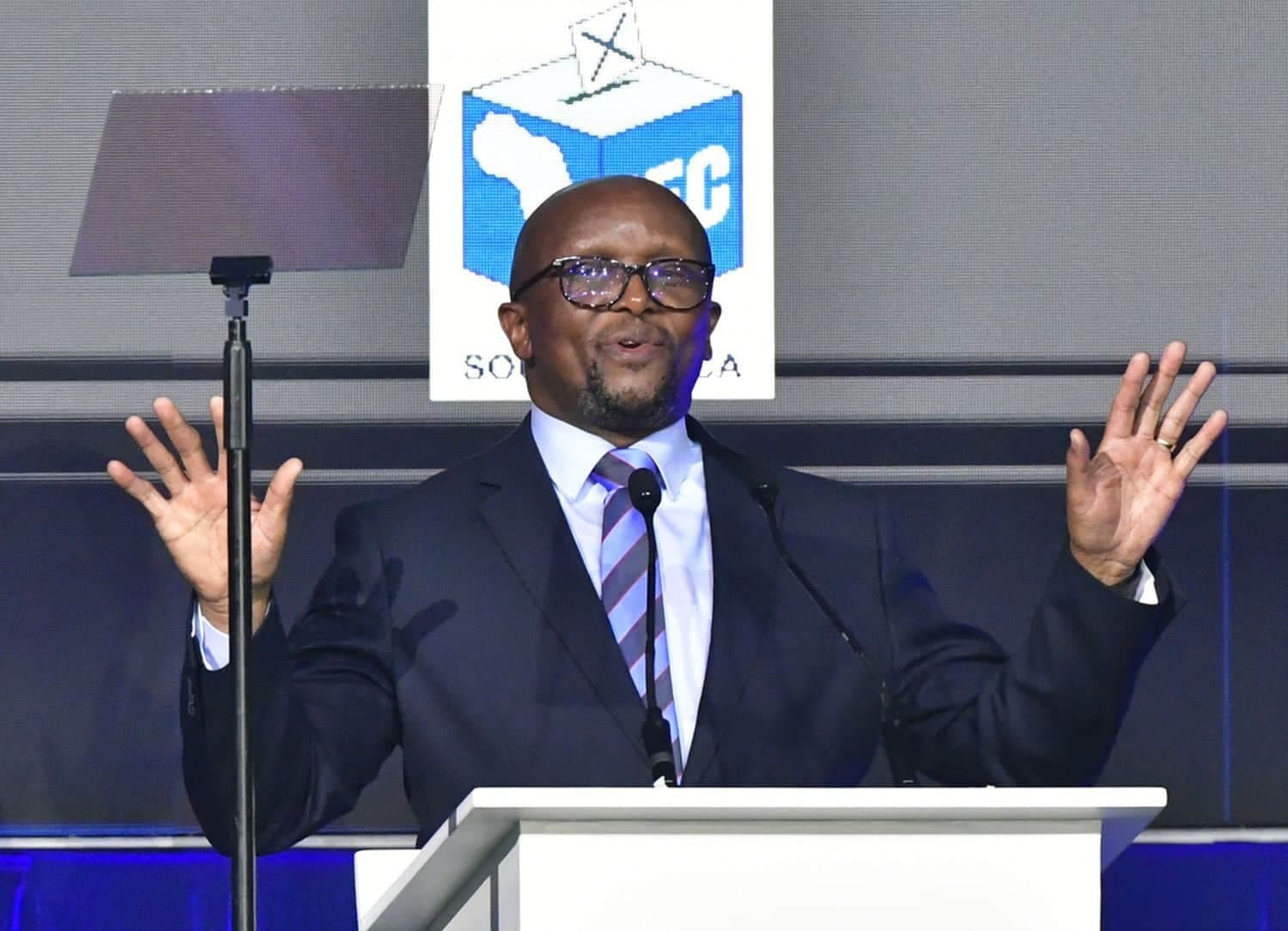
This decline significantly outpaces the national drop from 65% to 36% over the same period. Electoral Commission of South Africa (IEC) Chairperson Mosotho Moepya, speaking at a media briefing in the province on Friday, did not soften the findings. “In KwaZulu-Natal, the findings paint a sobering picture,” he said, adding that the province is “among the provinces recording the sharpest decline in confidence in democracy”.
What is driving the collapse? The survey points to economic despair and institutional disillusionment as the primary drivers. A staggering 88% of KZN residents are unhappy with current economic conditions, and the same proportion expect things to worsen over the next five years.
Six in 10 residents say life in their communities has deteriorated over the last five years. Moepya linked the economic crisis directly to democratic disengagement. “Economic dissatisfaction is very high in the province,” he noted, describing a population that still broadly supports democratic values in principle but has lost faith in democracy’s ability to deliver in practice.
Trust in the IEC itself has not been spared, with KZN at just 20% against a national average of 32%. “There is a clear electoral divide with persons who have voted in elections assessing the Electoral Commission more favourably than those who did not vote,” Moepya said. Why is the IEC alarmed?
The commission’s week-long visit to KZN was a direct response to these findings. Moepya was candid about the urgency, describing the study as “an important barometer of public sentiment” that captures not just national trends but granular provincial data. The IEC used the visit to engage the KZN premier, traditional leadership, including King Misuzulu kaZwelithini, political parties, civil society and the security cluster.
The commission also acknowledged that its own shortcomings during the 2024 general elections contributed to the erosion of trust. It cited long queues, system failures and unresolved concerns from political parties as factors that damaged public confidence. “The commission has taken concrete steps to address concerns arising from the 2024 elections,” Moepya said.
Illegal voter practices Adding to the province’s electoral anxieties, Moepya issued a stern warning against the practice of “busing”, the illegal ferrying of voters to wards where they are not ordinarily resident in order to manipulate election outcomes. The chairperson made clear that neither voters nor political parties would be shielded from consequences. “Everyone must know the voters concerned who agree to doing this will face jail because we will investigate them,” he said.
He also warned that political parties found to be orchestrating this will face the harshest possible sanction. “The [IEC] will also seek the harshest measures possible for the political party, including disqualification in contesting an election,” Moepya said. “It is the only way we can send a message and reinforce the law.” Still some hope Despite the alarming figures, the survey offered one notable bright spot.
Seventy-six percent of KZN adults indicated they would vote if an election were held immediately, higher than the national average. For Moepya, that number represents both relief and responsibility. The commission leaves KZN with commitments to rebuild trust, intensify voter education and combat misinformation.
Whether those commitments translate into restored confidence before the 2026 local government elections remains to be seen. “The study highlights declining trust in key political institutions, growing political disengagement and rising voter disillusionment,” Moepya said. “These trends underscore why the commission’s presence in the province this week has been both necessary and urgent.”