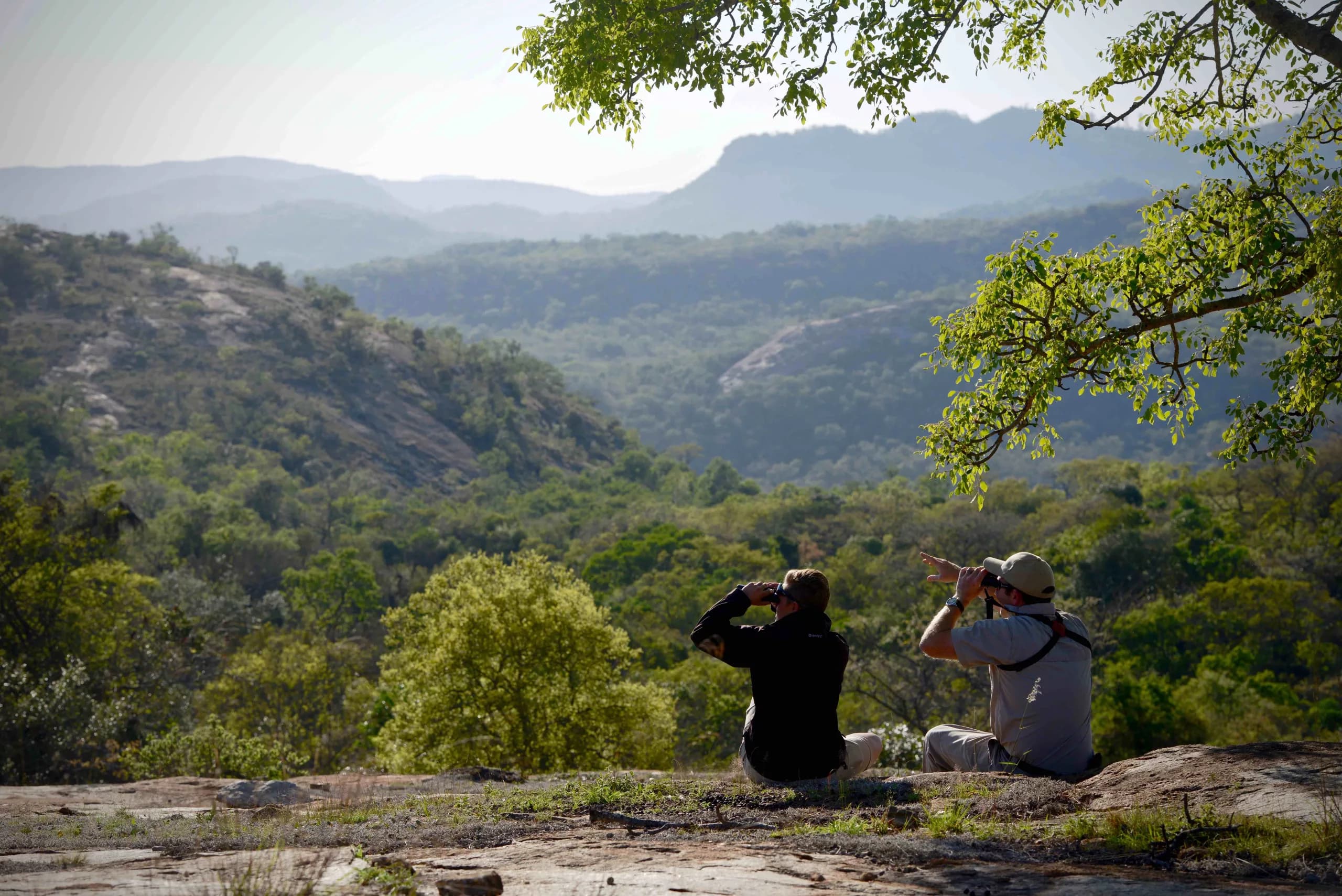
As Earth Day approaches on 22 April, attention often turns to national parks and large-scale conservation programmes. These are important. But they are not the full story.
Image: Supplied Across South Africa, smaller private reserves are quietly restoring ecosystems, expanding wildlife habitats, and reshaping how conservation works on the ground. One such example is Tomjachu Bush Retreat, located within the Crocodile Valley Conservancy near Nelspruit. What stands today as 500 hectares of Lowveld bushveld was not always wilderness.
Three decades ago, much of this land was farmland. Crops like tobacco, tomatoes, strawberries and tree nuts dominated the landscape. Today, that same terrain tells a different story.
Through gradual expansion and active rehabilitation, roughly 300 hectares of previously cultivated land have been restored. Indigenous vegetation has returned. Natural grazing systems are re-establishing themselves.
The shift is both visible and ecological. According to Tomjachu director Jack Fillery, the recovery has been steady but significant. Former monoculture fields are now supporting diverse plant life typical of the Lowveld.
This kind of transition, while slow, demonstrates what long-term conservation-led land management can achieve. Restoration, however, is not passive. It requires consistent intervention.
A major focus at Tomjachu is the removal of invasive alien plant species. Lantana, guava and pom pom weed are among the most persistent threats, competing aggressively with indigenous flora for water and space. Ongoing clearing programmes, supported by conservation volunteers, form a critical part of maintaining ecosystem balance.
As habitats recover, wildlife follows. Image: Supplied Over the years, the reserve has reintroduced several large mammals, including giraffe, zebra, impala, nyala, kudu and wildebeest. These species play a key role in rebuilding natural grazing dynamics.
Other animals have returned on their own. Warthog, bushbuck and red duiker are now regular sightings. Camera traps have also captured more elusive species such as serval, honey badger and even the occasional leopard moving through the area.
Birdlife is thriving too. Around 300 species have been recorded, including secretary birds, black sparrowhawks and the threatened crowned eagle. The diversity extends beyond large, visible fauna.
With the absence of intensive agriculture and chemical inputs, smaller species are making a comeback. Insects, amphibians and reptiles are reappearing in greater numbers. This signals a broader ecological recovery, where entire systems, not just individual species, begin to stabilise.
To better understand this biodiversity, Tomjachu has launched a species recording project. While still in its early stages, close to 1,000 species of flora and fauna have already been identified. Sustainability at the reserve extends beyond conservation.
Approximately 60 percent of its energy needs are currently met through solar power. There are plans to expand this further, particularly in water heating systems. Waste management has also improved over time, with recycling, composting and reduced reliance on single-use plastics forming part of daily operations.
Local sourcing remains a priority, supporting nearby businesses and reducing environmental impact. Looking ahead, Tomjachu forms part of a broader conservation vision. The reserve is included in a proposed wildlife corridor linking the Barberton Valley with the Kruger National Park.
If realised, this corridor would create a more connected landscape, allowing wildlife to move more freely across a larger protected area. For visitors, these efforts are not hidden behind the scenes. They are part of the experience.
Guided walks and time spent on the reserve often include conversations about land recovery and conservation. Seeing how quickly nature responds when given space can be a powerful reminder of what is possible. This Earth Day, the message is clear.
Conservation does not only happen in vast, iconic parks. It also happens in smaller, quieter places, where consistent effort is restoring balance, one hectare at a time. Follow us on social media for more travel news, inspiration, and guides.
You can also tag us to be featured. TikTok | Instagram | Facebook | Twitter ALSO READ: Wildlife Roundup: Conservation progress through practical action