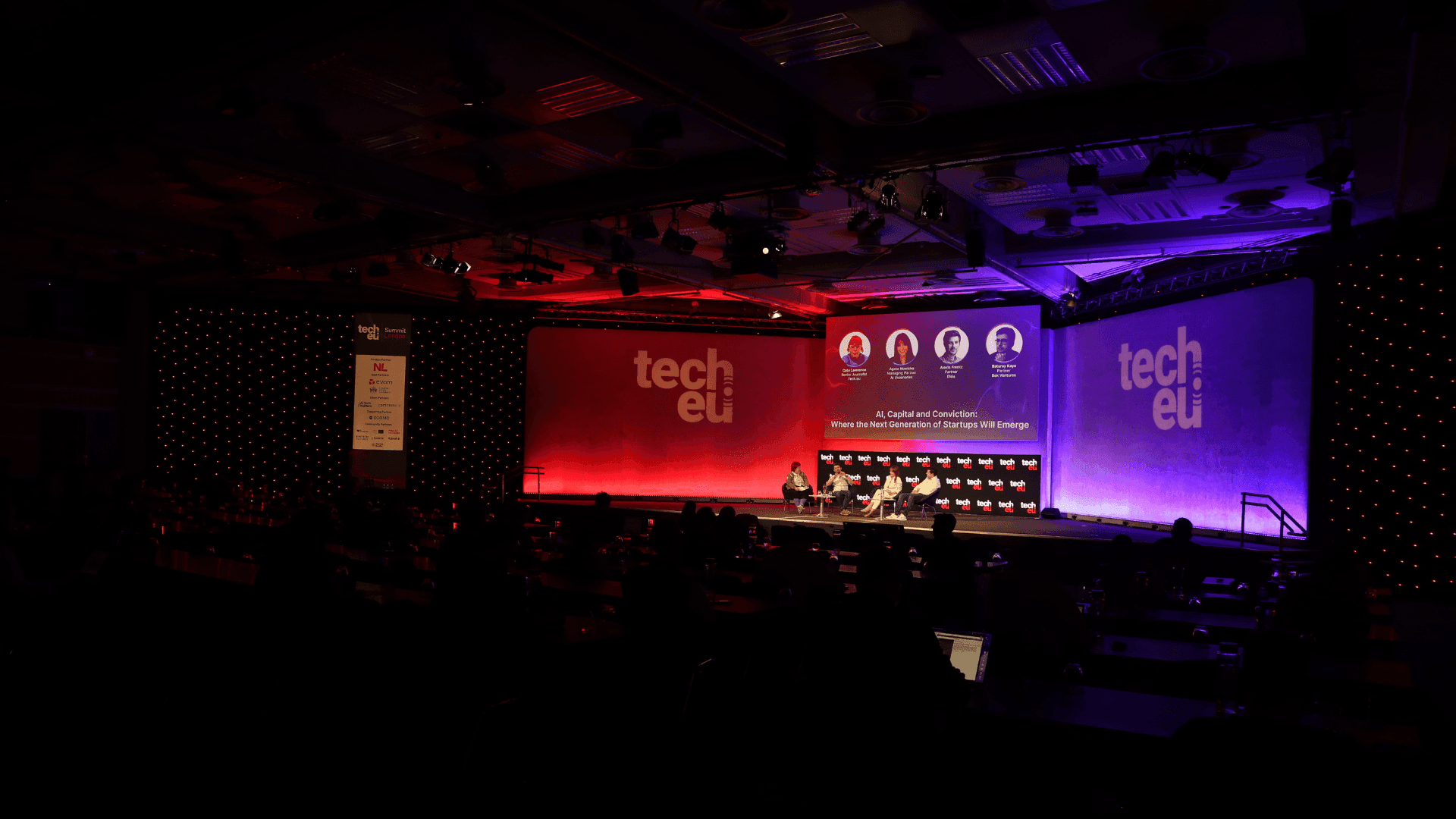
The Tech.eu Summit London 2026 concluded on April 22 at the Queen Elizabeth II Centre in London, bringing a strong second day of sessions to close out what was a packed two-day event. Following a first day focused heavily on AI, enterprise software and Europe's competitive positioning, which you can read about here, day two turned its attention to fintech, healthtech, capital markets, agentic commerce and the future of deeptech in Europe. Here is what happened on day two: Opening Ceremony Helen Walsh and Arda Kutsal opened the second day, welcoming attendees back to the Queen Elizabeth II Centre and setting the stage for a programme built around fintech, healthtech, AI and the strategic decisions shaping the next phase of European technology.
Landscape for Fintechs in the UK Magali Van Bulck, Head of Policy and Government Relations (EMEA) at Wise, took the stage to open day two with a presentation on the state of fintech in the UK. Drawing on Wise's experience operating across European markets, the session offered a grounded perspective on the regulatory dynamics, policy developments and market conditions currently shaping the landscape for financial technology companies in the UK. From Consumer Tech to HealthTech: Building AI Products That Deliver Real Outcomes Stuart Peak (HeliosX), Randal Whitmore (Ada Health), Naseem Moumene (Northzone) and Cate Lawrence (Tech.eu) explored how AI is being applied in healthcare to improve patient outcomes, speed up diagnosis and support health systems and pharma in achieving their commercial goals.
The discussion highlighted the unique challenges of building patient-facing AI products and the growing investor interest in healthtech as a structurally important sector. Europe's Capital Markets and the Future of Tech Growth Axel Kalinowski, Head of Central and Southern Europe at the London Stock Exchange Group, presented on the role of Europe's capital markets in supporting the growth of technology companies. The session examined how access to public markets is evolving and what it means for European founders considering their long-term growth and exit options.
Competition as a Driver of Scaling Jessica Lennard, Chief Strategy and External Affairs Officer at the Competition and Markets Authority, addressed how competition policy shapes the conditions for scaling technology businesses. The session offered a regulatory perspective on how market structure, enforcement and policy interact with the realities of building and growing companies in an AI-driven economy. How AI and Code are Rewriting the Fundraising Process Michael Tefula (Ada Ventures), Danae Shell (Valla) and Tamara Djurickovic (Tech.eu) examined how AI is changing the way founders approach fundraising and how investors are adapting in response.
The panel explored topics including AI-assisted pitch preparation, technical literacy in the fundraising process, and whether the rise of AI-native tools creates an uneven playing field between different types of founders. The Billion-Dollar Blind Spot: AI for Commercial Insurance Malin Posern (Project A Ventures) and Jack Miller (Nettle) explored how AI is beginning to reshape commercial insurance, one of the largest and most underserved sectors in financial services. The session examined the scale of the opportunity, the barriers to adoption and what it takes to build credible AI-driven solutions in a market defined by complexity, legacy infrastructure and risk aversion.
AI, Regulation, and the Infrastructure of Global Work Sam Ross, Chief Legal Officer at Remote, presented on the intersection of AI, regulation and the future of work. The session addressed how AI is reshaping global employment infrastructure, the regulatory challenges that come with operating across multiple jurisdictions, and the legal considerations that technology companies need to navigate as AI takes on a greater role in the workplace. AI That Acts: Who Owns the Decision Before the Transaction?
Luca Cartechini (Shop Circle), Shaun O'Mahony (Xapien) and John Reynolds (Tech.eu) examined the emerging question of accountability in agentic AI systems. As AI moves from advising to acting, the panel explored who bears responsibility for the decisions AI makes before a transaction is completed, touching on legal, ethical and commercial dimensions that founders, investors and enterprises will increasingly need to navigate. To Exit or Not to Exit: The New Dynamics Rose Hulse (ScreenHits TV), Julien-David Nitlech (IRIS), Kate McGinn (Seedcamp) and moderator Akansha Dimri (Tech Funding News) debated the exit decisions facing today's technology leaders.
The session examined when to scale, when to sell and how to read the signals in a market where AI can rapidly shift valuations in either direction. Building the Agentic Enterprise: AI, the SaaSpocalypse, and CX's Next Frontier Nikola Mrksic, Co-Founder and CEO of PolyAI, sat down with Cate Lawrence (Tech.eu) for a fireside chat on the rise of the agentic enterpris