Wander With Wonder - Discovering Wow Moments Around the World or Across the Street Learn wine collection management tips to organize your cellar, track bottles, and enjoy every vintage at its peak. Why Wine Collection Management Matters for Serious Collectors There is a profound, quiet satisfaction in cultivating a personal wine collection. It is not merely about accumulating bottles; it is about assembling a library of future experiences.
Every bottle resting in your temperature-controlled fridge or subterranean cellar holds a specific intention. For travelers who return home with bottles from Napa, Bordeaux, or Tuscany, a wine collection becomes more than a hobby—it becomes a passport of experiences. However, as any passionate enophile quickly discovers, the transition from casual wine enthusiast to dedicated collector entails a significant logistical burden.
A dozen bottles are easy to remember. Fifty bottles require some thought. Once your collection crosses the threshold of 100 bottles, human memory becomes an unreliable custodian.
The tragedy of a mismanaged cellar is not just forgetting what you own; it is missing the window of perfection. It is the profound disappointment of unearthing a beautiful vintage of Bordeaux from the back of the bottom rack, pulling the cork, and realizing it has passed its peak drinking window by three years. To honor the winemakers’ craftsmanship and truly savor your collection, you must maintain a meticulous inventory.
Yet the tools currently available for this task often strip away the hobby’s elegance. Why Traditional Wine Cellar Apps Fall Short When a collector realizes they need to organize their inventory, they typically turn to one of two inherently flawed solutions: the commercial wine-tracking application or the utilitarian spreadsheet. Mainstream commercial wine platforms are fundamentally misaligned with the ethos of a private collector.
These applications are engineered for retail environments and social networking. When you scan a label into a commercial app, the interface immediately bombards you with global average prices, algorithmic purchasing suggestions, and crowdsourced star ratings from thousands of strangers. A private collector does not need an app to tell them the retail value of a bottle they have owned for a decade, nor do they care if a random user on the internet gave their favorite Syrah a mediocre review.
The commercial noise pollutes the personal connection to the wine. Furthermore, these apps force your collection into rigid, predefined categories that rarely match how your mind actually organizes your cellar. Conversely, attempting to manage a collection via a spreadsheet feels entirely devoid of romance.
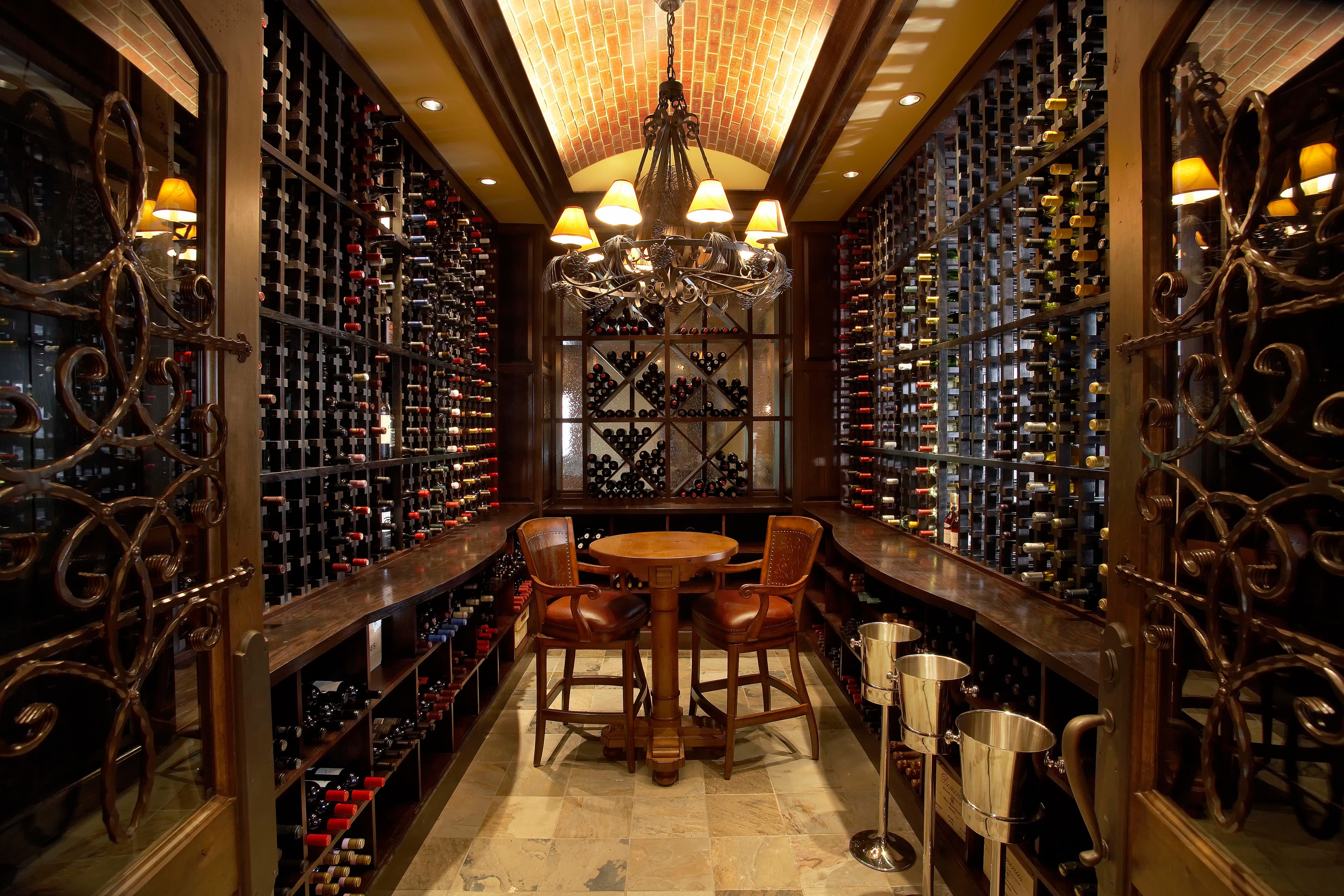
Staring at endless, sterile rows of data on a bright monitor feels like administrative accounting, completely disconnected from the sensory joy of selecting a bottle for an evening meal. Wine cellar. Photo courtesy of Pine Canyon A More Personalized Approach to Wine Collection Management Attaining a perfectly tailored digital cellar ledger once meant compromising with rigid software or hiring someone to code a custom database.
Today, the landscape of personal technology has softened, becoming highly intuitive and profoundly adaptive to our specific passions. Today, that process has evolved. Instead of relying on rigid apps, many collectors are turning to more flexible tools, like working with a personal AI agent, to build systems that reflect how they actually think about their collections.
This interaction replaces the rigid mechanics of software engineering with the fluid grace of conversation. You do not need to understand coding, configure complex drop-down menus, or navigate clunky settings. You simply engage in a dialogue.
You describe your collection habits, the layout of your physical cellar, and the specific details you cherish in plain, everyday language. The intelligent system listens to your narrative and instantly weaves those requirements into a beautifully functional, highly personalized digital interface. It is the modern equivalent of commissioning a master artisan to bind a custom leather ledger, where every digital page is meticulously formatted to match your exact inventory logic.
How to Build a Personalized Digital Wine Ledger When you shape your digital tools through conversation, you possess absolute authority over the parameters of your collection. You can strip away all the generic, retail-focused features of commercial applications and focus entirely on the nuances that matter to your personal enjoyment. Consider a collector who organizes their cellar not just by region, but by intended occasion and peak maturity.
To establish a digital space that captures this specific philosophy, you simply instruct your conversational assistant to organize a dedicated “Private Reserve Ledger.” You might express your vision to the system like this: “Draft a seamless inventory interface for my home wine cellar. I need a clean en